
Exercises for Management of Piriformis pain
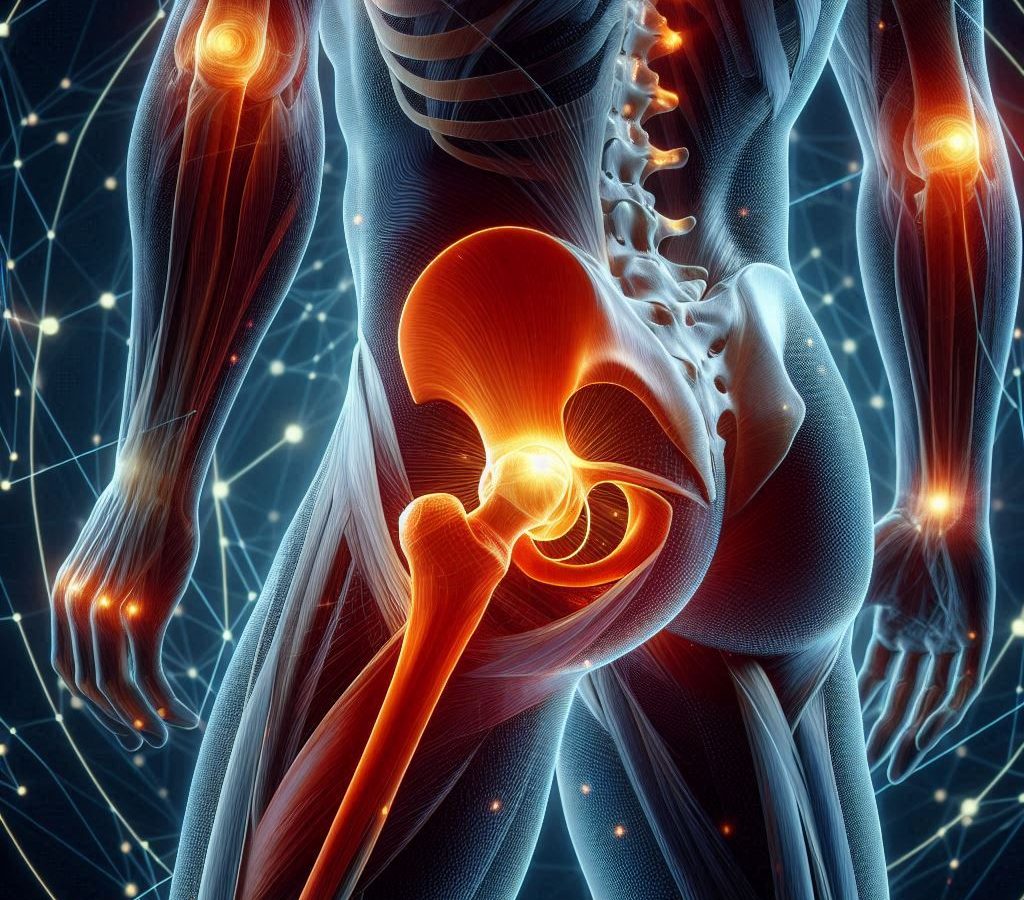
Piriformis Pain: Simple Exercises to Build Strength and Reduce Irritation
Piriformis syndrome is commonly described as irritation of the sciatic nerve related to tightness, spasm, or overload of the piriformis muscle (a small deep muscle in the buttock). Symptoms often include buttock pain and sometimes pain, tingling, or numbness that can radiate down the back of the leg.
Note: Sciatica itself is common; it is estimated that around 40% of Brits will suffer a bout at some point.
What it can feel like
Piriformis-related symptoms can vary from a dull ache to sharp, shooting pain. It often presents with buttock discomfort and may radiate down the back of the leg, with symptoms commonly aggravated by sitting for extended periods, walking, or climbing stairs.
The key principle
Recovery commonly focuses on a combination of hip and core strengthening, plus mobility work and stretching. The aim is to help the piriformis work as part of the wider glute and hip “support team” rather than acting in isolation.
Foam rolling (optional but helpful)
Foam rolling is worth doing because it can help loosen tight muscles – including the piriformis. A foam roller is a really cost-effective and easy thing to buy.
3 moves for building a stronger piriformis
Give these simple exercises a go for better balance and strength.
SINGLE LEG DEADLIFT
Stand with your feet shoulder-width apart and hold a dumbbell in your right hand. Place your left hand on your hip or extend it out to your left.
Keeping your back straight, send your hips back, as though you are trying to get them to touch a wall behind you. Allow your arm to lower down towards your feet.
Make sure your hips stay in alignment by pushing your left hip forwards and engaging your core.
Press through your heels to come back to the starting position.
SINGLE LEG GLUTE BRIDGE
Beginning in the same position as before, tuck your left knee in towards your chest and hold onto it with your right hand. Place your left hand behind your head.
Keeping your tailbone tucked, press through your right heel to lift into a bridge position. Remember to squeeze your glutes at the top.
Slowly lower back down.
THREE-LEGGED DOG HIP CIRCLES
Standing with feet hip-width apart, bend from the hips and start to walk your hands forward.
With your bum in the air, hand flat on the floor, bend your right knee and raise into the air.
Working from the hip, start to circle that knee in one direction and then reverse.
Bring that foot back onto the ground and repeat on the left hand side.
How often should you do these?
A regular strengthening routine is often key. Many people find short, consistent sessions are easier to maintain than occasional long sessions. If an exercise increases symptoms sharply, reduce the range or intensity and build up gradually.
Don’t ignore recovery
Alongside strengthening, adequate sleep and true rest can matter. Rest is not just time spent sitting; it includes a decent sleep routine and calming practices that support recovery.
When to seek help
If you are unsure whether your pain is piriformis-related, it is sensible to be assessed by an appropriate clinician (for example, your GP, osteopath, or physiotherapist). Seek urgent advice if symptoms are severe, rapidly worsening, or associated with significant weakness, new bladder or bowel disturbance, or saddle numbness.
Please contact Pain Spa at clinic@painspa.co.uk or via our website www.painspa.co.uk. to arrange a consultation or if you have any further questions.