
Pain After Inguinal Hernia Surgery: Understanding, Diagnosing and Treating Chronic Post-Hernia Repair Pain
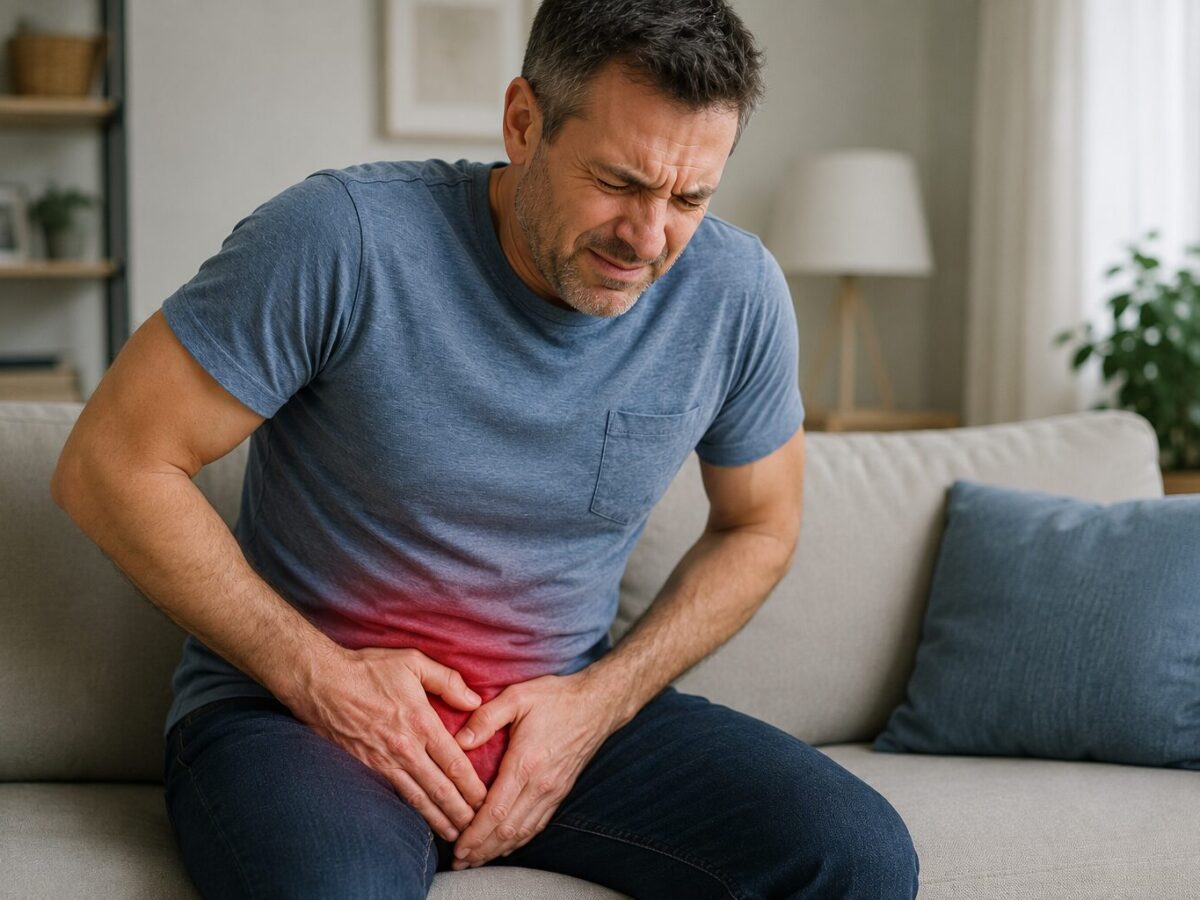
Persistent Groin Pain After Hernia Surgery
Understanding Nerve Injury, Mesh Problems and Modern Treatment Options
Inguinal hernia surgery is one of the most commonly performed operations. Most patients recover well, but a significant minority develop persistent pain in the groin after surgery, even when the repair has been technically successful and scans do not show an obvious problem.
Introduction
What is post-inguinal hernia surgery pain?
Post-inguinal hernia surgery pain refers to pain that persists after repair of an inguinal hernia. Some discomfort in the first few days and weeks after surgery is expected. However, when significant pain continues beyond the normal healing period, particularly beyond three months, it is recognised as chronic postoperative inguinal pain, often abbreviated to CPIP.
This pain may affect the groin, lower abdomen, pubic region, inner thigh, scrotum or labia. It may feel burning, shooting, stabbing, aching, pulling or pressure-like. Some patients also experience numbness, tingling or hypersensitivity, where even light touch from clothing can feel painful.
Why patients are often told everything looks normal
Many patients with persistent pain after hernia surgery are told that the operation went well, the hernia has not returned and the scan looks normal. This can be very frustrating, because the pain may still be severe and disabling.
The reason is that many important causes of post-hernia surgery pain do not show clearly on routine scans. Nerve irritation, nerve entrapment, painful scar tissue, neuroma formation and abnormal sensitivity of the nervous system may all cause significant pain even when the mesh appears well positioned and there is no recurrent hernia.
A recognised and treatable condition
Persistent pain after inguinal hernia repair is not imaginary and it is not simply something patients have to tolerate. It is a recognised medical condition with several well-described causes, including nerve injury, mesh-related irritation, scar tissue, testicular pain syndromes, abdominal wall pain and hernia recurrence.
The key to successful treatment is identifying the main pain generator. Some patients need treatment directed at the ilioinguinal, iliohypogastric or genitofemoral nerves. Others may need assessment for mesh-related pain, myofascial pain, recurrence or central sensitisation.
At Pain Spa, patients with persistent groin pain after hernia surgery are assessed carefully to understand the likely mechanism of pain and to guide targeted treatment options, including rehabilitation, medication optimisation, ultrasound-guided diagnostic nerve blocks, pulsed radiofrequency treatment, dorsal root ganglion interventions and referral for surgical opinion where appropriate.
How Common Is Chronic Pain After Hernia Surgery?
Incidence
Persistent pain after inguinal hernia repair is more common than many patients realise. Most people recover well, but a significant minority continue to experience pain beyond the expected healing period. When pain persists for more than three months after surgery, it is usually described as Chronic Postoperative Inguinal Pain, or CPIP.
Your source article makes clear that CPIP is not rare, and that in a smaller group of patients the pain can interfere significantly with daily living, work, exercise and quality of life.
Natural History
Some discomfort in the early weeks after hernia surgery is expected. The tissues have been operated on, the abdominal wall has been repaired and there may be bruising, swelling, inflammation and scar formation. In many patients, this gradually settles as healing progresses.
Your article also highlights an important point: some patients improve spontaneously within the first few months after surgery. This means early pain does not always mean that something has gone seriously wrong or that invasive treatment is immediately required.
Why Some Patients Improve Spontaneously
Pain may gradually improve as post-operative inflammation settles, bruising and swelling resolve, irritated tissues calm down and nerves that have been stretched or bruised begin to recover.
Scar tissue also changes as it matures. In the early stages it can feel tight, sensitive and painful. Over time it may soften and become less irritable, allowing movement and daily activities to become easier.
This is why watchful waiting, reassurance, sensible activity modification, simple pain relief and rehabilitation may be appropriate in the early phase. However, pain that remains significant beyond three months, especially when it affects walking, sitting, sleep, work or daily activity, should be assessed properly rather than dismissed.
Why Does Pain Develop After Hernia Surgery?
Pain after inguinal hernia surgery is not one single problem. Your article makes clear that persistent groin pain can arise from several different mechanisms, and the treatment depends on identifying which mechanism is most important in that individual patient.
In some patients, the pain is mainly nerve-related. In others, it may be related to the mesh, scar tissue, testicular pain, recurrence of the hernia or nearby musculoskeletal structures. More than one factor may also be present at the same time.
Main Causes of Persistent Pain After Hernia Repair
| ✔ Neuropathic pain | This develops when one of the groin nerves is cut, stretched, trapped, scarred or irritated. It may involve the ilioinguinal, iliohypogastric or genitofemoral nerves. Patients may describe burning, shooting, electric shock-like pain, tingling, numbness or hypersensitivity to light touch. |
| ✔ Mesh-related pain | This is usually more aching, pulling or pressure-like. It may occur when the mesh causes chronic irritation, inflammation, contraction, folding, shrinkage or a meshoma. Patients may describe a foreign body sensation or a feeling that something is pulling in the groin. |
| ✔ Orchialgia | This refers to persistent testicular pain after hernia repair. It may be related to irritation, scarring or inflammation around the spermatic cord, or to injury of the small nerve fibres and blood supply associated with the testicle. |
| ✔ Hernia recurrence | A recurrent hernia must always be considered. Pain may be associated with activity, straining or a recurrent bulge. This needs a different treatment pathway and should not be managed as simple nerve pain. |
| ✔ Musculoskeletal causes | Some patients have pain from nearby structures rather than the hernia repair itself. This may include adductor tendon problems, osteitis pubis, hip joint pathology, abdominal wall pain or athletic pubalgia. These can mimic or coexist with post-surgical pain. |
This distinction matters because each cause requires a different approach. Nerve-related pain may respond to targeted nerve blocks or pulsed radiofrequency treatment, while mesh-related pain, recurrence or musculoskeletal pain may need different investigations and management. A careful assessment is therefore essential before deciding on treatment.
Understanding the Anatomy: The Three Main Nerves
To understand why pain can persist after hernia surgery, it is helpful to understand the three main nerves that supply sensation to the groin. These nerves pass close to the surgical field and may become irritated, stretched, trapped, scarred or injured during surgery or the healing process.
Although there is considerable overlap between the nerves, understanding their anatomy and sensory distribution often helps explain a patient’s symptoms and guides targeted treatment.
1. Ilioinguinal Nerve
The ilioinguinal nerve arises primarily from the L1 nerve root and travels through the abdominal wall before entering the inguinal canal. It runs alongside the spermatic cord and lies directly within the operative field during open hernia repair.
Pain distribution: Groin crease, pubic region, root of the penis, anterior scrotum, anterior labia majora and the upper inner thigh.
Typical symptoms: Burning pain, electric shock sensations, numbness, tingling, hypersensitivity and pain radiating into the groin or genital region.
Why is it vulnerable? Because the nerve lies directly within the operative field during open hernia repair, it may be injured by dissection, retraction, sutures, mesh placement or subsequent scar formation. It is the nerve most commonly involved following open inguinal hernia surgery.
2. Iliohypogastric Nerve
The iliohypogastric nerve arises from T12-L1 and follows a slightly higher course through the abdominal wall than the ilioinguinal nerve.
Pain distribution: Lower abdominal wall above the groin, suprapubic region and occasionally the upper outer buttock through its lateral cutaneous branch.
Typical symptoms: Suprapubic pain, lower abdominal discomfort, numbness or altered sensation above the inguinal ligament.
Why is it vulnerable? Although it lies slightly higher than the main operative field, it may still be affected during opening of the abdominal wall layers, placement of sutures or post-operative scar formation.
3. Genitofemoral Nerve
The genitofemoral nerve arises from the L1-L2 nerve roots and follows a much deeper course. It travels along the front of the psoas muscle within the preperitoneal space before dividing into genital and femoral branches.
Pain distribution: Groin, scrotum or labia, upper inner thigh and femoral triangle region.
Typical symptoms: Burning groin pain, scrotal or labial pain, aching in the pubic region, numbness or altered sensation in the upper thigh.
Why is it vulnerable? The nerve runs within the same preperitoneal space used during laparoscopic hernia repair. For this reason it is the nerve most commonly implicated following laparoscopic TEP and TAPP repairs.
Comparing the Three Nerves
| Feature | Ilioinguinal | Iliohypogastric | Genitofemoral |
|---|---|---|---|
| Main pain location | Groin crease and genital region | Suprapubic region | Groin, scrotum/labia and upper thigh |
| Genital symptoms | Common | Uncommon | Common |
| Thigh symptoms | Upper inner thigh | Usually absent | Upper anterior thigh |
| Most commonly affected in | Open repair | Open repair | Laparoscopic repair |
Why Open Surgery and Laparoscopic Surgery Cause Different Pain Patterns
One of the most confusing aspects of post-hernia surgery pain is that different surgical techniques tend to affect different nerves. Understanding this helps explain why two patients can have very different symptoms despite having undergone surgery for the same condition.
The explanation is largely anatomical. The nerves that are most vulnerable depend on which anatomical layer the surgeon is operating within.
Why Different Operations Affect Different Nerves
OPEN HERNIA REPAIR (LICHTENSTEIN)
↓
Operates within the anterior inguinal canal
↓
The ilioinguinal nerve lies directly within the surgical field
↓
Ilioinguinal nerve injury is most common
LAPAROSCOPIC HERNIA REPAIR (TEP / TAPP)
↓
Operates within the preperitoneal space
↓
The genitofemoral nerve runs through this space
↓
Genitofemoral nerve injury is more common
Open Repair and the Ilioinguinal Nerve
During a traditional open inguinal hernia repair, the surgeon works within the anterior inguinal canal. The ilioinguinal nerve runs through this exact area alongside the spermatic cord and is therefore directly exposed during dissection and mesh placement.
Because of its location, the nerve may become irritated by surgical handling, stretching, scar tissue, sutures or mesh-related fibrosis. For this reason, the ilioinguinal nerve is the nerve most commonly implicated in chronic pain following open repair.
Patients typically describe pain radiating into the groin crease, pubic region, scrotum, labia or upper inner thigh, often accompanied by burning, tingling or hypersensitivity.
Laparoscopic Repair and the Genitofemoral Nerve
Laparoscopic techniques such as TEP (Totally Extraperitoneal Repair) and TAPP (Transabdominal Preperitoneal Repair) use a completely different surgical plane. Instead of operating within the inguinal canal, the surgeon works in the preperitoneal space behind the abdominal wall.
The genitofemoral nerve runs within this same preperitoneal space along the surface of the psoas muscle. As a result, it is much more exposed during laparoscopic dissection and mesh placement than it is during open surgery.
Patients with genitofemoral nerve involvement may experience groin pain radiating into the scrotum or labia, pain in the upper thigh and, in some cases, deep aching discomfort around the pubic region.
Key Clinical Message
A useful rule of thumb is that persistent pain following an open hernia repair is more likely to involve the ilioinguinal nerve, whereas persistent pain following a laparoscopic repair is more likely to involve the genitofemoral nerve. Although there is overlap and other nerves may be involved, this anatomical principle often provides an important clue during assessment.
Mesh: Friend, Foe or Both?
Mesh is one of the most discussed aspects of modern hernia surgery. Many patients who develop persistent pain naturally wonder whether the mesh itself is responsible for their symptoms. Whilst mesh can contribute to chronic pain in some individuals, it is important to understand that most patients tolerate mesh extremely well and never develop mesh-related complications.
Why Is Mesh Used?
The purpose of mesh is to reinforce the weakened area of the abdominal wall where the hernia has developed. By providing additional support to the repair, mesh has significantly reduced hernia recurrence rates and has become the standard approach for most inguinal hernia repairs worldwide.
For the overwhelming majority of patients, the mesh remains stable and functions exactly as intended, providing long-term reinforcement without causing symptoms.
What Happens After Mesh Is Implanted?
After implantation, the body naturally responds to the mesh by forming scar tissue around it. This is a normal part of the healing process and helps anchor the mesh firmly within the tissues.
Your source article highlights that mesh also triggers a persistent foreign-body reaction involving inflammatory cells and fibrosis. In most patients this causes no symptoms. In a small minority, however, the healing response may become excessive and contribute to pain.
Why Do Some Patients Develop Problems?
Over time, all synthetic meshes undergo some degree of contraction. In some patients, this process can become more pronounced, leading to shrinkage, folding or wrinkling of the mesh. When the mesh contracts into a firm folded mass surrounded by scar tissue, it may form what is known as a meshoma.
Mesh contraction and fibrosis may also distort local tissues and, in some cases, contribute to irritation or entrapment of nearby nerves. These mechanisms are thought to play an important role in some patients with chronic post-hernia surgery pain.
Fortunately, significant mesh-related complications remain uncommon when compared with the large number of successful hernia repairs performed worldwide.
An Important Clinical Point
One of the most important messages from the medical literature is that the presence of mesh does not automatically mean that the mesh is causing the pain. Many patients with persistent groin pain actually have neuropathic pain arising from irritation or injury of the ilioinguinal, iliohypogastric or genitofemoral nerves.
For this reason, careful assessment is essential. The challenge is not simply determining whether mesh is present, but identifying whether the patient’s symptoms are predominantly nerve-related, mesh-related, or due to another cause entirely.
When Is the Mesh the Problem?
Although most patients tolerate mesh extremely well, there are situations in which the mesh itself may contribute to persistent symptoms. Understanding these complications is important because mesh-related pain often behaves differently from nerve-related pain and may require a different treatment approach.
Fortunately, significant mesh complications are uncommon. However, when they do occur, they may present months or even years after the original surgery.
Meshoma
A meshoma develops when the mesh contracts, folds or wrinkles into a dense mass surrounded by scar tissue. Patients often describe a persistent foreign-body sensation, a feeling of tightness in the groin, or discomfort that is aggravated by movement. In some cases, the meshoma may also irritate nearby nerves and contribute to mixed neuropathic and nociceptive pain.
Mesh Contraction and Shrinkage
All implanted mesh undergoes some degree of contraction as part of the normal healing response. In a small number of patients this process becomes excessive, resulting in significant shrinkage and fibrosis. This may place tension on surrounding tissues, distort local anatomy and contribute to chronic groin discomfort.
Mesh Infection
Mesh infection is uncommon but remains an important complication to recognise. Patients may develop persistent pain, swelling, redness, discharge or systemic symptoms. Although infections often occur in the early post-operative period, delayed presentations can occasionally occur months or years after surgery.
Mesh Migration
Rarely, mesh may move from its original position. Migration can lead to chronic pain, recurrent symptoms or irritation of adjacent structures. The presentation varies depending on the direction and extent of migration.
Mesh Erosion
In very rare cases, mesh may erode into surrounding tissues or organs. The symptoms depend on the structure involved and may include chronic pain, infection, inflammation or dysfunction of adjacent organs.
Fluid Collections (Seroma and Haematoma)
Fluid collections can develop following hernia surgery. Most resolve spontaneously, but persistent seromas or organised haematomas may occasionally contribute to ongoing discomfort, pressure symptoms or inflammation around the repair site.
Neuropathic Pain vs Mesh-Related Pain
| Feature | Neuropathic Pain | Mesh-Related Pain |
|---|---|---|
| Pain quality | Burning, shooting, electric shock-like | Aching, pulling, pressure-like |
| Numbness or tingling | Common | Usually absent |
| Hypersensitivity to touch | Common | Less common |
| Foreign body sensation | Uncommon | Common |
| Pain distribution | Follows a nerve territory | Often diffuse and poorly localised |
| Response to nerve blocks | Often helpful | Often limited |
Clinical Features of Post-Hernia Surgery Pain
Patients with chronic pain after hernia surgery can experience a wide range of symptoms. The exact pattern often provides important clues about the underlying cause. For example, burning or electric shock-like pain may suggest nerve involvement, whereas a sensation of tightness or a foreign body in the groin may point towards mesh-related pathology.
Symptoms may remain localised to the groin or radiate into the lower abdomen, inner thigh, scrotum, testicle or genital region depending on the structures involved.
Common Symptoms Reported by Patients
| Symptom | Typical Description |
|---|---|
| Burning pain | Often suggests irritation or injury of a sensory nerve and is one of the commonest neuropathic symptoms. |
| Electric shock pain | Brief shooting or stabbing pains radiating into the groin, scrotum, labia or upper thigh. |
| Tingling | Pins-and-needles sensations, often occurring within the territory of an affected nerve. |
| Numbness | Reduced or altered sensation affecting the groin, upper thigh or genital region. |
| Hypersensitivity | Clothing, light touch or gentle pressure may become uncomfortable or painful. |
| Foreign body sensation | A feeling that something is present within the groin, often described in patients with mesh-related symptoms. |
| Pulling or tightness | A sensation of tension, restriction or tugging within the groin, sometimes associated with fibrosis or mesh contraction. |
| Testicular pain (Orchialgia) | Deep aching, heaviness or discomfort centred on the testicle or spermatic cord. |
| Sitting pain | Pain that worsens when sitting for prolonged periods or when pressure is applied to the groin. |
| Walking pain | Pain aggravated by movement, prolonged walking, climbing stairs or physical activity. |
Why Symptoms Matter
The pattern of symptoms often provides important clues about the underlying pain mechanism. Burning pain, tingling, numbness and electric shock sensations tend to suggest neuropathic pain arising from one of the groin nerves. In contrast, a feeling of tightness, pulling or a foreign body sensation may suggest fibrosis, mesh contraction or mesh-related pathology.
Although symptom patterns are helpful, there is often overlap between different causes of pain. This is why a careful history, examination and, in some cases, diagnostic nerve blocks are often required to establish the dominant pain generator.
Why Do Some Patients Develop Persistent Pain While Others Recover Normally?
Most patients recover well after inguinal hernia surgery and experience little or no long-term discomfort. However, some patients continue to experience pain long after the surgical wound has healed. The reasons are often complex and may involve a combination of factors rather than a single cause.
Persistent pain is more likely when there has been nerve irritation, excessive scar tissue formation, mesh-related fibrosis, testicular pain syndromes or recurrence of the hernia. In some patients, several of these mechanisms may coexist.
Factors Associated with Persistent Post-Hernia Surgery Pain
| Patient Factors | Surgical Factors | Psychological Factors |
|---|---|---|
| • Younger age • Female sex • Pre-existing chronic pain conditions • Significant pain before surgery • Severe early post-operative pain |
• Nerve injury or nerve entrapment • Mesh contraction and fibrosis • Recurrent hernia repair • Post-operative complications • Scar tissue formation |
• Anxiety • Depression • Pain-related fear and avoidance • Increased focus on pain symptoms |
The Important Message
The presence of one or more risk factors does not mean that chronic pain is inevitable. Many patients with recognised risk factors recover completely, while others develop persistent pain despite having no obvious warning signs. Understanding these factors simply helps clinicians identify patients who may benefit from closer assessment and earlier intervention.
Assessment, Diagnosis and Investigations
The successful management of chronic post-hernia surgery pain begins with identifying the dominant pain generator. This is not always straightforward because symptoms may arise from nerve injury, mesh-related pathology, orchialgia, recurrent hernia or musculoskeletal causes. A structured assessment is therefore essential.
Diagnostic Pathway
Persistent Groin Pain
↓
Detailed History
↓
Physical Examination
↓
Imaging (if required)
↓
Diagnostic Nerve Blocks
↓
Identify the Dominant Pain Generator
↓
Targeted Treatment
History
The history often provides the most important diagnostic clues. Patients are asked about the location of pain, the quality of symptoms, the timing of onset after surgery and the activities that aggravate or relieve symptoms.
Burning pain, electric shock sensations, tingling and hypersensitivity tend to suggest neuropathic pain. In contrast, a sensation of tightness, pulling, pressure or a foreign body within the groin may suggest mesh-related pathology. Testicular pain may indicate orchialgia, whilst the return of a groin bulge raises concern about recurrence.
Physical Examination
Examination focuses on identifying sensory abnormalities, areas of tenderness, recurrent hernia, trigger points and signs of mesh-related complications. Particular attention is paid to areas of altered sensation, allodynia and hyperalgesia which may indicate nerve involvement.
Dermatomal Mapping
Careful sensory examination can help identify which nerve may be involved. Mapping areas of numbness, tingling, hypersensitivity or pain may provide clues to involvement of the ilioinguinal, iliohypogastric or genitofemoral nerves.
Tinel’s Sign
Gentle tapping over an irritated nerve may reproduce tingling, shooting pain or paraesthesia within the distribution of that nerve. A positive Tinel’s sign can support the diagnosis of neuropathic pain arising from nerve irritation or entrapment.
Cremasteric Reflex
Assessment of the cremasteric reflex may provide additional information regarding the integrity of the ilioinguinal and genitofemoral nerves. Although not diagnostic on its own, it may contribute to the overall clinical assessment.
Imaging Studies
| Investigation | What It Can Show | Main Role |
|---|---|---|
| Ultrasound | Recurrence, fluid collections, meshoma, local pathology | Often first-line imaging |
| CT Scan | Mesh position, recurrence, deeper anatomical abnormalities | Assessment of anatomy and complications |
| MRI Scan | Soft tissue detail and alternative diagnoses | Selected cases |
Diagnostic Nerve Blocks
Diagnostic nerve blocks play an important role when neuropathic pain is suspected. Ultrasound-guided blocks of the ilioinguinal, iliohypogastric or genitofemoral nerves may help determine whether a particular nerve is contributing to symptoms.
Temporary pain relief following a diagnostic block can provide valuable information and may help guide subsequent treatment decisions, including targeted nerve procedures.
Understanding Central Sensitisation
One of the most confusing aspects of chronic pain is that symptoms can sometimes persist long after the original tissue injury has healed. Patients are often told that scans look normal, the hernia repair appears intact and there is no obvious ongoing damage, yet the pain continues. This is where the concept of central sensitisation becomes important.
Central sensitisation occurs when the nervous system becomes increasingly sensitive following prolonged pain or nerve irritation. Instead of returning to its normal state after healing has occurred, the pain-processing system remains on high alert and continues to amplify pain signals.
A Sensitised Nervous System
In the early stages after surgery, pain serves a useful purpose by warning the body that healing is taking place. However, if pain signals continue for months, the nervous system can become sensitised. The spinal cord and brain begin to process normal sensory information differently, causing pain to persist even when tissue healing is largely complete.
Allodynia
Allodynia occurs when normally non-painful stimuli become painful. Patients may find that clothing rubbing against the groin, light touch, gentle pressure or everyday movement triggers disproportionate discomfort. This is a hallmark feature of a sensitised nervous system.
Hyperalgesia
Hyperalgesia refers to an exaggerated response to a painful stimulus. Something that would normally cause mild discomfort may produce much more severe pain than expected. Patients often describe feeling that their nervous system has become overly reactive or permanently “switched on.”
Overlap with Other Chronic Post-Surgical Pain Syndromes
Central sensitisation is not unique to hernia surgery. Similar mechanisms are recognised in many chronic post-surgical pain conditions, including persistent pain after breast surgery, thoracic surgery, joint replacement surgery and other procedures involving nerve injury.
This helps explain why two patients with apparently similar surgical outcomes can have very different experiences. One patient may recover completely, whilst another develops a nervous system that remains highly sensitive long after the original injury has healed.
Why This Matters
Recognising central sensitisation is important because it changes the treatment approach. Simply looking for more surgery or additional structural problems may not address the underlying issue. Instead, treatment often focuses on calming the nervous system through education, rehabilitation, medication optimisation and carefully targeted pain interventions where appropriate.
Importantly, central sensitisation does not mean the pain is psychological or imaginary. The pain is very real, but the nervous system has become overly sensitive and continues to generate pain out of proportion to any ongoing tissue injury.
Conservative Treatment Options
Not every patient with chronic post-hernia surgery pain requires an injection or surgical procedure. Many patients benefit from a combination of education, rehabilitation, medication optimisation and strategies aimed at reducing irritation of the nervous system. Conservative treatments are often used as first-line therapy and may continue alongside more targeted interventions if required.
| ✔ Education | Understanding the cause of pain is often the first step towards recovery. Explaining the difference between nerve pain, mesh-related pain, recurrence and sensitisation can help reduce uncertainty and guide appropriate treatment. |
| ✔ Activity Modification | Temporary modification of activities that aggravate symptoms may help reduce pain whilst maintaining general function. The aim is usually to remain active without repeatedly provoking severe symptoms. |
| ✔ Physiotherapy | Physiotherapy may help improve mobility, reduce guarding, address abdominal wall dysfunction and identify contributing musculoskeletal factors affecting the groin, pelvis and hip. |
| ✔ Desensitisation Techniques | When hypersensitivity is present, gradual exposure to light touch and sensory stimulation may help reduce abnormal pain responses over time. |
| ✔ TENS | Transcutaneous Electrical Nerve Stimulation (TENS) may provide temporary symptom relief in some patients by altering pain signalling pathways. |
| ✔ Pain Psychology | Persistent pain affects far more than the tissues themselves. Pain psychology approaches may help patients develop strategies for coping with chronic symptoms, improving function and reducing the impact of pain on daily life. |
| ✔ Medication Optimisation | Appropriate medication may help reduce neuropathic pain, improve sleep and support rehabilitation. Treatment is tailored to the individual’s symptoms, medical history and treatment goals. |
An Important Point
Conservative treatment does not mean that the pain is being dismissed or that symptoms are not genuine. These approaches form an important part of modern pain management and are often used alongside diagnostic nerve blocks, pulsed radiofrequency treatment and other targeted interventions when appropriate.
Medications for Neuropathic Post-Hernia Pain
When neuropathic pain is suspected, medication may form an important part of treatment. The goal is not simply to mask symptoms, but to reduce abnormal nerve signalling, improve sleep, facilitate rehabilitation and improve quality of life. Response varies considerably between individuals, and treatment often requires a degree of trial and adjustment.
Commonly Used Medications
| Medication Class | Examples | Potential Benefits | Important Considerations |
|---|---|---|---|
| Tricyclic Antidepressants | Amitriptyline, Nortriptyline | Neuropathic pain relief, improved sleep, reduction in pain amplification | May cause dry mouth, sedation and dizziness |
| SNRIs | Duloxetine | Useful when chronic pain coexists with anxiety or low mood | May cause nausea, sweating and sleep disturbance |
| Gabapentinoids | Gabapentin, Pregabalin | Reduction in abnormal nerve firing and neuropathic symptoms | Can cause dizziness, fatigue, weight gain and cognitive side effects |
| Topical Therapies | Lidocaine preparations | May help focal neuropathic pain and hypersensitivity | Particularly useful when symptoms are well localised |
| Simple Analgesics | Paracetamol, NSAIDs | May help nociceptive and inflammatory components of pain | Often less effective for established neuropathic pain |
| Opioids | Selected cases only | Short-term symptom control in carefully selected patients | Long-term use is generally discouraged because of tolerance, dependence and limited efficacy in chronic neuropathic pain |
A Practical Point
Medication is often most effective when used as part of a broader treatment strategy rather than in isolation. For many patients, the best outcomes are achieved when medication optimisation is combined with rehabilitation, desensitisation strategies and targeted interventional treatments where appropriate.
It is also important to recognise that medications rarely eliminate pain completely. The goal is usually to reduce pain intensity, improve function and allow patients to participate more effectively in rehabilitation and everyday activities.
Diagnostic and Therapeutic Nerve Blocks
Targeted nerve blocks are one of the most useful tools in the assessment and management of chronic post-hernia surgery pain. They are not simply pain-relieving injections. When used carefully, they can help identify which nerve is involved, confirm whether the pain is neuropathic, and guide decisions about further treatments such as pulsed radiofrequency or specialist surgical referral.
A nerve block usually has two roles. The first is diagnostic: if pain improves significantly after the block, this suggests that the targeted nerve is contributing to the symptoms. The second is therapeutic: some patients experience useful pain relief that lasts beyond the expected duration of the local anaesthetic.
How Nerve Blocks Help Clinically
| Purpose | Why It Matters |
|---|---|
| Confirm the pain generator | Pain relief after a selective block supports the diagnosis of nerve-mediated pain. |
| Differentiate nerve pain from mesh pain | A strong response suggests neuropathic pain; little or no response may suggest mesh-related, myofascial or other causes. |
| Guide further treatment | A positive block may help select patients for pulsed radiofrequency, DRG procedures or surgical opinion. |
| Provide symptom relief | Some patients obtain meaningful pain relief from nerve blocks alone, particularly when the pain source is clearly localised. |
Ilioinguinal Nerve Block
The ilioinguinal nerve is particularly relevant after open inguinal hernia repair. It may be involved when pain is felt in the groin crease, pubic region, scrotum or labia, and upper inner thigh.
Symptoms suggesting ilioinguinal nerve involvement include burning pain, shooting pain, tingling, numbness or hypersensitivity in this distribution. The pain may be aggravated by walking, standing, hip extension or pressure around the inguinal canal.
A diagnostic block can help confirm whether this nerve is contributing to symptoms. If the response is clear but temporary, longer-lasting options such as pulsed radiofrequency may be considered.
Iliohypogastric Nerve Block
The iliohypogastric nerve is usually considered when pain is higher than the groin crease, particularly in the suprapubic region or lower abdominal wall.
Patients may describe aching, burning, numbness or altered sensation above the inguinal ligament rather than pain centred mainly in the scrotum, labia or upper thigh.
Because the ilioinguinal and iliohypogastric nerves overlap anatomically, they may sometimes need to be assessed together. A clear response can help guide treatment planning and reduce diagnostic uncertainty.
Genitofemoral Nerve Block
The genitofemoral nerve is especially important after laparoscopic hernia repair because it runs in the deeper preperitoneal plane used during TEP and TAPP procedures.
Genitofemoral nerve pain may involve the pubic region, upper inner thigh, scrotum or labia. Some patients describe deep aching genital pain, burning pain into the upper thigh, or symptoms that worsen with walking, standing or inguinal pressure.
Because this nerve has a deeper course than the ilioinguinal and iliohypogastric nerves, reliable assessment may require targeting the nerve closer to its spinal origin rather than simply injecting in the groin. This distinction is clinically important when pain persists after laparoscopic repair.
Trigger Point Injections
Not all post-hernia pain is purely nerve-related. Some patients develop localised tender points, abdominal wall guarding, scar sensitivity or myofascial pain around the groin and lower abdominal wall.
Trigger point injections may be considered when there are focal areas of tenderness that reproduce the patient’s familiar pain. These injections are aimed at the myofascial or local tender-point component rather than at a specific named nerve.
This can be particularly helpful when the pain pattern is mixed, with both neuropathic symptoms and local muscle or scar-related tenderness.
Interpreting the Response
The response to a block should be assessed carefully. A meaningful reduction in pain after a targeted block supports the diagnosis and helps guide the next stage of treatment.
| Response | Clinical Interpretation |
|---|---|
| Clear temporary relief | Supports nerve-mediated pain and may justify PRF or DRG-level treatment. |
| Longer-lasting relief | Some patients may continue with blocks as part of the treatment pathway. |
| No meaningful relief | Suggests the pain may be mesh-related, musculoskeletal, centrally sensitised or arising from another source. |
Pulsed Radiofrequency (PRF): An Important Non-Surgical Treatment
Pulsed radiofrequency, often abbreviated to PRF, is an important non-surgical treatment option for selected patients with neuropathic pain after inguinal hernia surgery. It is usually considered when symptoms suggest nerve-related pain and diagnostic nerve blocks have provided meaningful but temporary relief.
Unlike conventional thermal radiofrequency, PRF is not designed to destroy the nerve. Instead, it aims to modulate abnormal pain signalling while preserving normal nerve function. This is particularly important in the groin, where the nerves have important sensory roles and where destructive procedures may carry a risk of numbness, dysaesthesia or worsening neuropathic symptoms.
PRF Can Be Targeted at Different Levels
In chronic post-hernia surgery pain, PRF can be directed either at the peripheral nerves in the groin and lower abdominal wall, or more proximally at the dorsal root ganglion where sensory pain signals enter the spinal nervous system.
| Treatment Level | Potential Targets | When It May Be Considered |
|---|---|---|
| Peripheral nerve PRF | Ilioinguinal nerve Iliohypogastric nerve Genitofemoral nerve |
When symptoms follow a recognisable nerve distribution and a diagnostic nerve block has produced clear temporary relief. |
| DRG PRF | T12 dorsal root ganglion L1 dorsal root ganglion L2 dorsal root ganglion |
When pain is more proximal, involves overlapping nerve territories, or persists despite peripheral nerve blocks or peripheral PRF. |
Peripheral Nerve PRF Targets
Peripheral nerve PRF is directed at the named sensory nerves that are commonly affected after inguinal hernia surgery. The choice of target depends on the patient’s symptoms, examination findings, surgical history and response to diagnostic blocks.
| Peripheral Target | Typical Pain Pattern | Clinical Relevance |
|---|---|---|
| Ilioinguinal nerve | Groin crease pain radiating to the pubic region, scrotum or labia, and upper inner thigh. | Particularly relevant after open inguinal hernia repair. |
| Iliohypogastric nerve | Pain higher in the lower abdominal wall or suprapubic region. | May be involved when symptoms are above the inguinal ligament rather than centred in the scrotum, labia or upper thigh. |
| Genitofemoral nerve | Groin, pubic, scrotal or labial pain, sometimes radiating into the upper anterior thigh. | Particularly relevant after laparoscopic TEP or TAPP repair because of the nerve’s deeper preperitoneal course. |
Dorsal Root Ganglion PRF Targets
The dorsal root ganglion, or DRG, is a collection of sensory nerve cells close to the spine. It acts as an important relay station for pain signals travelling from the groin, lower abdominal wall, upper thigh and genital region.
In post-hernia surgery pain, DRG PRF may be considered when pain is not confined to one peripheral nerve, when several nerve territories overlap, or when peripheral nerve blocks have not provided sufficient or lasting relief.
| DRG Target | Relevant Pain Territory |
|---|---|
| T12 DRG | Lower abdominal wall and upper groin region. (may be an additional target) |
| L1 DRG | Key level for ilioinguinal and iliohypogastric-related groin and suprapubic pain. |
| L, L2 DRG | Important for genitofemoral-related pain involving the groin, genital region and upper thigh. |
Why DRG PRF May Be Useful
Peripheral nerve pain after hernia surgery can be difficult to localise because the sensory territories of the ilioinguinal, iliohypogastric and genitofemoral nerves overlap. A patient may also have pain that has become more widespread or sensitised over time.
Targeting the DRG allows treatment closer to the origin of the sensory pathway, before pain signals enter the spinal cord. This may be particularly useful when symptoms are complex, when more than one nerve appears to be involved, or when previous peripheral treatments have only partially helped.
Advantages of PRF in Post-Hernia Surgery Pain
| Advantage | Why It Matters |
|---|---|
| Non-surgical option | May be considered before more invasive surgery such as neurectomy or mesh removal. |
| Nerve preserving | Designed to modulate abnormal pain signalling rather than intentionally destroy the nerve. |
| Anatomically targeted | Can be directed at the ilioinguinal, iliohypogastric or genitofemoral nerves, or at T12/L1/L2 DRG targets. |
| Useful after diagnostic blocks | A positive diagnostic block can help identify the most appropriate PRF target. |
| May reduce medication reliance | Successful treatment may reduce the need for escalating neuropathic pain medications. |
Who May Benefit?
PRF is most suitable for patients whose symptoms suggest neuropathic post-hernia surgery pain rather than purely mesh-related pain or recurrence. Typical features include burning pain, shooting pain, electric shock sensations, tingling, numbness, hypersensitivity and pain following a recognisable nerve distribution.
Patients who obtain significant temporary relief from a diagnostic nerve block are often the strongest candidates for peripheral nerve PRF. Patients with overlapping pain territories, incomplete response to peripheral blocks or more proximal symptoms may be considered for DRG-level PRF.
PRF is not suitable for every patient, and careful assessment is essential. If symptoms suggest meshoma, recurrent hernia, infection or another structural problem, those issues need to be investigated and managed appropriately.
Dorsal Root Ganglion (DRG) Blocks and PRF
Whilst peripheral nerve blocks and peripheral nerve PRF target the nerves within the groin itself, dorsal root ganglion (DRG) treatment targets the pain pathway much closer to its origin. For selected patients with chronic post-hernia surgery pain, this can provide an important additional treatment option when symptoms are complex, overlapping or resistant to peripheral treatments.
The dorsal root ganglion is a collection of sensory nerve cell bodies located just outside the spinal cord. Every pain signal travelling from the groin, lower abdominal wall, upper thigh and genital region passes through these structures before entering the central nervous system.
The Key DRG Targets in Post-Hernia Surgery Pain
The most important DRG targets are usually L1 and L2, with T12 occasionally being relevant depending on the distribution of symptoms.
| DRG Target | Clinical Relevance |
|---|---|
| T12 DRG | May contribute to pain affecting the lower abdominal wall and upper groin region. It is less commonly targeted but can be important in selected patients. |
| L1 DRG | The most important level for many patients with post-hernia surgery pain because it contributes significantly to the ilioinguinal and iliohypogastric nerves. |
| L1,L2 DRG | Particularly relevant for genitofemoral nerve-related pain involving the groin, genital region and upper thigh. |
Why Peripheral Treatments Do Not Always Work
One of the challenges in post-hernia surgery pain is that the ilioinguinal, iliohypogastric and genitofemoral nerves have overlapping sensory territories. Patients often struggle to identify a single pain distribution, and examination findings may not clearly implicate one nerve alone.
In addition, long-standing pain may gradually become more widespread, making it increasingly difficult to isolate a single peripheral pain generator. A patient may obtain only partial relief from an ilioinguinal block, for example, because pain signals are also travelling through adjacent pathways.
This helps explain why some patients experience only limited or short-lived benefit from peripheral nerve treatments despite apparently appropriate nerve targeting.
Why DRG Treatment May Help
The DRG acts as a relay station where sensory information from multiple peripheral nerves converges before entering the spinal cord. By targeting the DRG, treatment can influence pain transmission at a higher level within the sensory pathway.
This may be particularly useful when:
- Pain involves more than one nerve territory.
- Symptoms extend beyond a single anatomical distribution.
- Peripheral nerve blocks have provided only partial relief.
- Pain has become longstanding and more complex.
- Previous peripheral treatments have failed to provide durable benefit.
Because the DRG sits closer to the origin of the pain pathway, treatment at this level may provide broader coverage than targeting an individual peripheral nerve alone.
DRG Blocks and DRG PRF
The DRG can be approached diagnostically or therapeutically. Diagnostic DRG blocks may help determine whether pain is being transmitted through a particular spinal segment, whilst pulsed radiofrequency can be used to modulate pain signalling at the DRG itself.
As with peripheral PRF, the goal is not to destroy the nerve but to reduce abnormal pain transmission whilst preserving normal neurological function.
For carefully selected patients with persistent neuropathic post-hernia surgery pain, DRG treatment has become an increasingly important part of the non-surgical treatment pathway and may help avoid more invasive procedures.
Is There a Role for Botox?
Botulinum toxin, commonly known as Botox®, may have a role in carefully selected patients with chronic post-hernia surgery pain. It should not be viewed only as a muscle-relaxing treatment. Botox may also have effects on neuropathic pain, peripheral sensitisation and local pain signalling around sensitised tissues.
This is particularly relevant in patients where nerve-related pain overlaps with local scar sensitivity, abdominal wall guarding, trigger points or myofascial pain.
Botox and Neuropathic Pain
In neuropathic pain, injured or irritated nerves can become overactive and continue to send abnormal pain signals. Botox may help reduce this abnormal pain signalling by acting on sensitised nerve endings and reducing the release of pain-related chemical mediators.
This means Botox may be considered in selected patients with burning pain, shooting pain, hypersensitivity, scar sensitivity or localised neuropathic pain after hernia surgery.
Peripheral Sensitisation
After surgery, some tissues and nerve endings around the scar and abdominal wall can remain abnormally sensitive. This is called peripheral sensitisation. Patients may experience pain from light touch, pressure, clothing contact or gentle movement.
By reducing excessive local pain signalling, Botox may help calm this sensitised peripheral pain state in selected patients.
Abdominal Wall Muscle Spasm and Guarding
Pain often causes the abdominal wall muscles to tighten as a protective response. Over time, this guarding can become persistent and may itself contribute to pain, stiffness, pulling sensations and restricted movement.
Botox may help when excessive abdominal wall muscle activity, spasm or guarding is a significant contributor to the pain pattern.
Myofascial Pain and Trigger Points
Some patients develop myofascial pain around the lower abdominal wall, groin or scar region. This may present as tender trigger points, painful bands of muscle, localised tenderness or pain reproduced by pressing specific areas.
In this situation, Botox may be considered as part of a broader strategy to reduce muscle overactivity and local pain amplification.
Scar-Related Guarding and Local Pain
Surgical scars can sometimes remain painful, tethered or hypersensitive. This may lead to protective guarding of the abdominal wall and altered movement patterns.
When scar-related pain is associated with local muscle tightness, trigger points or neuropathic hypersensitivity, Botox may have a useful role in carefully selected cases.
Which Patients May Benefit?
| Clinical Feature | Why Botox May Be Considered |
|---|---|
| Localised neuropathic pain | May help reduce abnormal signalling from sensitised nerve endings. |
| Hypersensitivity or allodynia | May help calm peripheral sensitisation around the scar or abdominal wall. |
| Scar-related pain | May be useful when scar sensitivity is associated with guarding or local pain amplification. |
| Abdominal wall spasm | May reduce excessive muscle activity contributing to pain and tightness. |
| Myofascial trigger points | May help when focal muscle tenderness is part of the pain presentation. |
A Selected Treatment, Not a Routine Treatment for Everyone
Botox is not a first-line treatment for every patient with chronic post-hernia surgery pain. It is best considered when the clinical picture suggests localised neuropathic pain, peripheral sensitisation, scar-related guarding, abdominal wall spasm or a significant myofascial component.
Patients with clear meshoma, recurrent hernia, infection or major structural pathology require assessment and treatment directed at those specific problems. In the right patient, however, Botox may provide a useful additional treatment option alongside nerve blocks, pulsed radiofrequency, medication optimisation and rehabilitation.
When Should Surgery Be Considered?
Most patients with chronic post-hernia surgery pain do not require further surgery. Many can be managed successfully with a combination of medication, rehabilitation, nerve blocks, pulsed radiofrequency treatment and other non-surgical interventions.
However, surgery may play an important role in carefully selected patients when there is a clearly identifiable structural or neuropathic cause for the pain. The challenge is ensuring that the correct procedure is offered to the correct patient for the correct reason.
Before Considering Surgery
A thorough assessment is essential before proceeding with any surgical intervention. This typically includes a detailed history, examination, appropriate imaging and, where relevant, diagnostic nerve blocks.
The aim is to determine whether the pain is primarily neuropathic, mesh-related, due to recurrence, or driven by another mechanism. Without a clear diagnosis, surgery may fail to improve symptoms and, in some cases, may make them worse.
Mesh Removal
Mesh removal may be considered when there is convincing evidence that the mesh itself is contributing to symptoms. Examples include meshoma formation, significant mesh contraction, chronic infection, migration or erosion into surrounding structures.
Mesh removal is technically challenging surgery and carries its own risks. Importantly, removal of mesh does not guarantee complete pain relief, particularly if long-standing neuropathic changes have already developed.
For this reason, careful patient selection is critical.
Selective Neurectomy
Selective neurectomy involves surgical division or excision of a specific nerve that has been identified as the dominant pain generator. This approach is generally considered when symptoms, examination findings and diagnostic nerve blocks consistently point towards involvement of a particular nerve.
The goal is to interrupt the transmission of pain signals arising from that nerve whilst avoiding unnecessary treatment of unaffected structures.
Triple Neurectomy
Some patients have symptoms involving multiple overlapping nerve territories, making it difficult to identify a single responsible nerve. In these situations, surgeons may consider triple neurectomy, which involves treatment of the ilioinguinal, iliohypogastric and genitofemoral nerves.
The rationale is based on the considerable anatomical overlap between these nerves and the difficulty of reliably isolating a single pain source in some patients.
Whilst this approach can be effective in selected cases, it is a major intervention and requires careful counselling regarding potential sensory changes and expected outcomes.
Repair of Recurrent Hernia
When investigations demonstrate recurrent herniation, surgical repair may be appropriate. In this situation, the goal is to address the underlying structural problem rather than simply treating pain symptoms.
A recurrent hernia should be considered separately from neuropathic and mesh-related pain syndromes because the treatment pathway is fundamentally different.
A Balanced Perspective
| Potential Advantages of Surgery | Potential Limitations |
|---|---|
| • May address a clearly identified structural cause • Can remove problematic mesh in selected cases • May help carefully selected neuropathic pain patients • Can treat recurrent hernia directly |
• Not all pain is surgically correctable • Further surgery may create additional scar tissue • Neuropathic pain may persist despite surgery • Outcomes depend heavily on correct patient selection |
The Key Message
Surgery should generally be reserved for carefully selected patients in whom a clear pain generator has been identified. For many individuals, non-surgical treatments such as nerve blocks, pulsed radiofrequency and DRG-based interventions may provide meaningful improvement without the risks associated with further surgery. The most important factor is not whether surgery is performed, but whether the correct diagnosis has been established before treatment decisions are made.
Treatment Pathway for Post-Hernia Surgery Pain
Management of persistent pain after inguinal hernia surgery should follow a structured pathway. The aim is not simply to treat pain in a general way, but to identify the dominant pain generator and then select the most appropriate treatment.
Post-Hernia Surgery Pain: Practical Treatment Pathway
1. Persistent Symptoms
Burning, shooting, tingling, numbness, hypersensitivity, pulling, foreign body sensation, testicular pain, sitting pain or walking pain.
2. Structured Clinical Assessment
History, examination, dermatomal mapping, Tinel’s sign, cremasteric reflex, scar assessment and evaluation for musculoskeletal contributors.
3. Imaging Where Appropriate
Ultrasound for recurrence and fluid collections. CT or MRI when mesh position, meshoma, infection, migration, erosion or alternative pathology needs assessment.
4. Identify the Dominant Pain Pattern
Neuropathic Pattern
Burning, electric shocks, tingling, numbness, allodynia or pain following ilioinguinal, iliohypogastric or genitofemoral distribution.
Mesh / Structural Pattern
Foreign body sensation, pulling, pressure, meshoma, recurrence, infection, migration, erosion or fluid collection.
Myofascial / Sensitised Pattern
Trigger points, abdominal wall guarding, scar sensitivity, hypersensitivity or persistent pain despite healed tissues.
5. Initial Non-Surgical Treatment
Education, activity modification, physiotherapy, desensitisation, TENS, pain psychology and medication optimisation.
6. Diagnostic and Therapeutic Blocks
Ilioinguinal, iliohypogastric, genitofemoral nerve blocks, DRG blocks or trigger point injections depending on the suspected pain generator.
7. Advanced Non-Surgical Interventions
Peripheral nerve PRF targeting the ilioinguinal, iliohypogastric or genitofemoral nerves; DRG PRF targeting L1, L2 and occasionally T12; Botox in selected neuropathic or myofascial cases.
8. Surgery for Carefully Selected Patients
Mesh removal, selective neurectomy, triple neurectomy or recurrent hernia repair when a clear surgical pain generator has been identified.
Key Principle
The pathway should be guided by diagnosis rather than by escalation alone. Neuropathic pain, mesh-related pain, recurrence, orchialgia, myofascial pain and central sensitisation each require different treatment strategies. The best outcomes are usually achieved when treatment is targeted to the dominant pain mechanism.
The PainSpa Approach to Post-Hernia Surgery Pain
Chronic pain following inguinal hernia surgery is often one of the most challenging post-surgical pain conditions to diagnose and treat. Many patients are told that imaging is normal, the repair appears successful and there is no obvious explanation for their symptoms. However, persistent pain can arise from a number of different mechanisms including nerve injury, nerve entrapment, mesh-related pathology, orchialgia, abdominal wall dysfunction and central sensitisation.
Dr Krishna’s Expert Perspective
Dr Murli Krishna is a Consultant in Pain Medicine with extensive experience in the assessment and treatment of chronic post-surgical pain syndromes. A significant proportion of his practice involves the management of complex neuropathic pain conditions where symptoms persist despite apparently successful surgery.
One of the most important aspects of managing post-hernia surgery pain is identifying the dominant pain generator. Not all pain after hernia surgery is caused by the mesh, and not all groin pain is neuropathic. Careful assessment is required to distinguish between nerve-related pain, mesh-related pain, recurrent hernia, orchialgia, abdominal wall pain and central sensitisation.
A particular area of expertise is the diagnosis and treatment of ilioinguinal, iliohypogastric and genitofemoral neuralgia. Using advanced ultrasound-guided techniques, it is often possible to identify the structures most likely to be contributing to symptoms and develop a targeted treatment plan.
The aim is always to achieve the greatest possible improvement using the least invasive treatment necessary. For many patients, careful diagnosis and precision-targeted interventions may provide significant relief without the need for further surgery.
Treatments Available at PainSpa
| ✔ Comprehensive assessment of chronic post-hernia surgery pain |
| ✔ Ultrasound-guided diagnostic nerve blocks |
| ✔ Ilioinguinal nerve interventions |
| ✔ Iliohypogastric nerve interventions |
| ✔ Genitofemoral nerve interventions |
| ✔ Ultrasound-guided trigger point injections |
| ✔ Pulsed radiofrequency (PRF) treatment of peripheral nerves |
| ✔ Dorsal root ganglion (DRG) blocks and PRF procedures |
| ✔ Botox treatment for selected neuropathic and myofascial pain presentations |
| ✔ Neuropathic medication optimisation |
| ✔ Management of central sensitisation and chronic post-surgical pain syndromes |
| ✔ Individualised multidisciplinary treatment planning |
Frequently Asked Questions
Chronic pain after hernia surgery can be confusing and frustrating. Below are some of the most common questions patients ask during consultations.
Is the pain real if my scans are normal?
Yes. Neuropathic pain, nerve entrapment and central sensitisation often cannot be seen on routine scans. Normal imaging does not mean the pain is imaginary or that there is no physical explanation for the symptoms.
Is the mesh causing my pain?
Not necessarily. Whilst mesh-related complications can occur, many patients with persistent pain actually have neuropathic pain involving the ilioinguinal, iliohypogastric or genitofemoral nerves. Careful assessment is required to determine the most likely cause.
Will I need surgery?
Most patients do not require further surgery. Many improve with a combination of medication, rehabilitation, nerve blocks, pulsed radiofrequency treatment and other targeted interventions. Surgery is usually reserved for carefully selected cases.
Can nerve blocks cure the pain?
Sometimes nerve blocks provide prolonged relief, but their most important role is often diagnostic. They help identify the nerve responsible for symptoms and can guide further treatment such as pulsed radiofrequency or DRG-based interventions.
Can pain start years after hernia surgery?
Yes. Whilst many patients develop symptoms soon after surgery, pain can occasionally emerge months or even years later due to nerve irritation, mesh contraction, scar-related changes or other delayed complications.
Can mesh be removed?
Yes, but only in selected circumstances. Mesh removal is usually considered when there is convincing evidence that the mesh is contributing to symptoms, such as meshoma formation, significant contraction, infection, migration or erosion.
What happens if injections do not work?
A poor response to injections can provide useful diagnostic information. It may suggest that the pain is not arising from the targeted nerve, that multiple pain mechanisms are present, or that further investigation is required. Alternative treatments may include different nerve targets, DRG interventions, medication optimisation, Botox for selected cases or surgical review where appropriate.
Can chronic post-hernia surgery pain improve even after several years?
Yes. Although longstanding pain can be more challenging to treat, meaningful improvement is often possible once the dominant pain mechanism has been identified and an appropriate treatment plan is implemented.
Does persistent pain mean the hernia has come back?
No. Recurrence is only one possible cause of pain after hernia surgery. Neuropathic pain, mesh-related problems, orchialgia, abdominal wall dysfunction and central sensitisation can all cause symptoms even when the hernia repair remains intact.
Key Clinical Take-Home Messages
Chronic post-hernia surgery pain is a recognised medical condition with multiple potential causes. Successful treatment depends on identifying the dominant pain mechanism and tailoring treatment accordingly.
| ✔ Chronic pain after inguinal hernia surgery is real and recognised. Persistent symptoms can occur even when the hernia repair appears technically successful and imaging studies are normal. |
| ✔ Not all post-hernia pain is caused by the mesh. Neuropathic pain involving the ilioinguinal, iliohypogastric and genitofemoral nerves is a common cause of ongoing symptoms. |
| ✔ The pattern of symptoms often provides important diagnostic clues. Burning pain, electric shock sensations, tingling and hypersensitivity suggest neuropathic pain, whereas pulling, tightness and foreign body sensations may suggest mesh-related pathology. |
| ✔ Careful assessment is essential. History, examination, dermatomal mapping, imaging and diagnostic nerve blocks help identify the dominant pain generator. |
| ✔ Central sensitisation can contribute to persistent symptoms. In some patients, the nervous system remains sensitised even after the original tissues have healed, resulting in ongoing pain amplification. |
| ✔ Diagnostic nerve blocks play a crucial role. They can help distinguish neuropathic pain from other causes and guide subsequent treatment decisions. |
| ✔ Pulsed radiofrequency (PRF) offers an important non-surgical treatment option. Both peripheral nerves and the dorsal root ganglion can be targeted in carefully selected patients with neuropathic post-hernia surgery pain. |
| ✔ Botox may have a role in selected patients. Particularly when neuropathic pain overlaps with scar sensitivity, abdominal wall guarding, trigger points or myofascial dysfunction. |
| ✔ Surgery remains important for selected patients. Mesh removal, neurectomy and recurrent hernia repair may be appropriate when a clear surgical pain generator has been identified. |
| ✔ The best outcomes are achieved through accurate diagnosis and targeted treatment. The key question is not simply how severe the pain is, but why the pain is occurring in the first place. |
References
The following references provide the scientific and clinical evidence underpinning the assessment and management of chronic post-hernia surgery pain (chronic postoperative inguinal pain, CPIP).
- Chu Z, Zheng B, Yan L, et al.
Incidence and Predictors of Chronic Pain After Inguinal Hernia Surgery: A Systematic Review and Meta-Analysis.
Hernia. 2024. - Huy TC, Lu Y, Weitzner Z, et al.
Reoperation for Chronic Postoperative Inguinal Pain.
JAMA Surgery. 2025. - Beel E, Berrevoet F.
Surgical Treatment for Chronic Pain After Inguinal Hernia Repair: A Systematic Literature Review.
Langenbeck’s Archives of Surgery. 2022. - Fitzgibbons RJ, Forse RA.
Groin Hernias in Adults.
New England Journal of Medicine. 2015. - Sekhon I, Massey LH, Arulampalam T, Motson RW, Pawa N.
Chronic Groin Pain Following Inguinal Hernia Repair in the Laparoscopic Era: Systematic Review and Meta-Analysis.
American Journal of Surgery. 2022. - Zwaans WA, Perquin CW, Loos MJ, Roumen RM, Scheltinga MR.
Mesh Removal and Selective Neurectomy for Persistent Groin Pain Following Lichtenstein Repair.
World Journal of Surgery. 2017. - Slooter CD, Perquin CW, Zwaans WA, et al.
Laparoscopic Mesh Removal for Chronic Postoperative Inguinal Pain Following Endoscopic Hernia Repair: A Cohort Study on the Effect on Pain.
Hernia. 2023. - Charitakis E, Haj-Ali E, Al Hasani-Pfister F, et al.
Impact of Different Neurectomy Techniques on Managing Chronic Pain After Inguinal Hernia Repair: A Meta-Analysis and Systematic Review.
Hernia. 2025. - Verhagen T, Loos MJA, Scheltinga MRM, Roumen RMH.
The GroinPain Trial: A Randomized Controlled Trial of Injection Therapy Versus Neurectomy for Postherniorrhaphy Inguinal Neuralgia.
Annals of Surgery. 2018. - Chen DC, Hiatt JR, Amid PK.
Operative Management of Refractory Neuropathic Inguinodynia by a Laparoscopic Retroperitoneal Approach.
JAMA Surgery. 2013. - Gangopadhyay N, Pothula A, Yao A, Geraghty PJ, Mackinnon SE.
Retroperitoneal Approach for Ilioinguinal, Iliohypogastric and Genitofemoral Neurectomies in the Treatment of Refractory Groin Pain After Inguinal Hernia Repair.
Annals of Plastic Surgery. 2020. - Watanobe I, Miyano S, Machida M, Sugo H.
Mesh Shrinkage After Transabdominal Preperitoneal Inguinal Hernia Repair.
Scientific Reports. 2023. - International Guidelines for Groin Hernia Management.
HerniaSurge Group.
Hernia. - European Hernia Society Guidelines for the Management of Groin Hernias in Adult Patients.
Hernia.