
Post-COVID Loss of Smell and Taste: Can Stellate Ganglion Block Help?
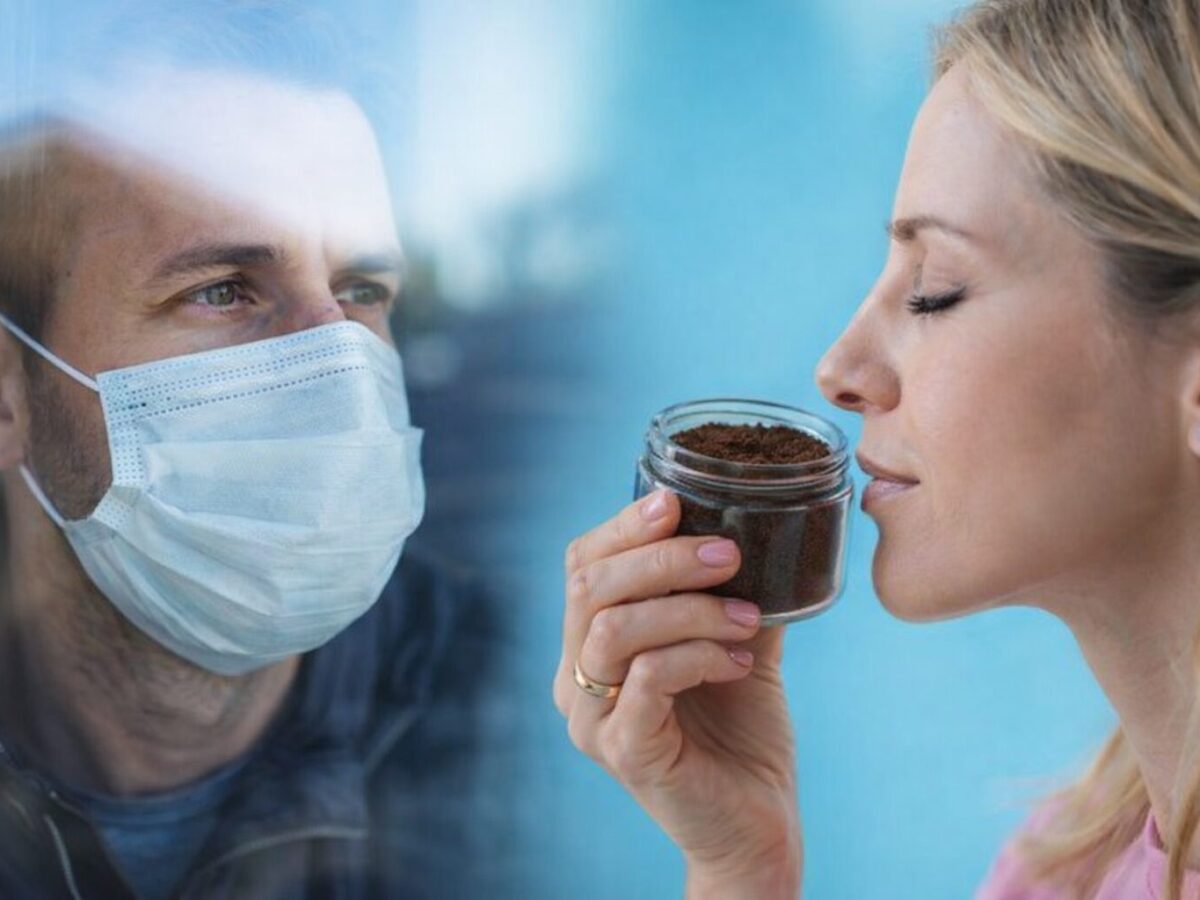
Case Study Series
Pain Medicine — Post-COVID Anosmia & Dysgeusia
Restoring smell and taste after COVID with ultrasound-guided stellate ganglion block
A case study exploring how a sequenced bilateral stellate ganglion block led to rapid and meaningful recovery of smell and taste in a patient with persistent post-COVID anosmia.
~18 mo
Duration of symptoms
~90%
Recovery achieved
2
Bilateral SGB procedures
US
Ultrasound-guided precision
James — Age 40
Working professional • Persistent post-COVID anosmia & dysgeusia • Failed conservative management • Self-pay patient
Post-COVID anosmiaDysgeusia~18 months of symptoms~90% recovery post-SGB
The Presentation
Eighteen months without smell or taste — despite every standard treatment
James, a 40-year-old working professional, presented to PainSpa with persistent loss of smell and taste following COVID-19 infection approximately 18 months earlier. Although he had recovered well from the acute viral illness, the sensory loss had remained near-complete and showed no meaningful sign of improvement with time.
He described near-complete anosmia and markedly impaired taste. Food had become joyless and bland, his appetite had dropped, and the subtle pleasures of cooking, coffee, perfume and familiar everyday smells had all disappeared. He also raised concerns about safety — being unable to detect smoke, gas or spoiled food — and described a low-grade but persistent psychological toll on his mood and wellbeing.
He had already engaged actively with conventional care: review by an ENT specialist, a structured course of olfactory (smell) training, topical intranasal steroids and a trial of oral steroids. Despite this commendable engagement, there had been no meaningful clinical improvement.
He was referred for specialist pain medicine input with Dr Murli Krishna at PainSpa, where ultrasound-guided stellate ganglion block (SGB) was discussed as a possible next step.
Clinical Background
Post-COVID anosmia — more than just an ENT problem
Loss of smell (anosmia) and altered taste (dysgeusia) emerged as defining symptoms of COVID-19. For most people they resolve within weeks — but a significant minority go on to develop persistent, often profoundly distressing, long-term sensory loss. Altered smell (parosmia) can be particularly disruptive, affecting food, intimacy and relationships.
Increasingly, the medical literature suggests that persistent post-COVID anosmia is not a purely nasal or ENT problem. It is now recognised as part of a broader pattern of post-viral neurological and autonomic dysfunction — with dysregulation of the sympathetic nervous system playing a likely role. This is the rationale for using interventions such as stellate ganglion block, which directly modulates the cervical sympathetic chain.
How a stellate ganglion block may help post-COVID smell and taste loss
Autonomic dysfunction
Persistent post-COVID symptoms are increasingly understood as a form of dysautonomia — an imbalance in the body’s autonomic regulation following viral illness.
Sympathetic reset
SGB temporarily silences the cervical sympathetic chain, allowing an overactive sympathetic system to “reset” toward a more balanced state.
Blood flow & inflammation
Improved blood flow to the olfactory pathways and reduction of neuroinflammation may help restore function in damaged sensory circuits.
Central sensory processing
Effects may extend into central sensory networks, helping the brain re-process smell and taste information more normally over time.
Symptom Assessment
A picture of persistent, life-narrowing sensory loss
James’s symptom profile was consistent with persistent post-COVID anosmia and dysgeusia with significant quality-of-life impact — a pattern in which sensory loss erodes daily enjoyment, nutrition, safety and emotional wellbeing.
Anosmia
Near-complete loss of smell
Unable to detect coffee, food aromas, perfume or familiar everyday smells • Persistent for ~18 months • No spontaneous recovery
Dysgeusia
Markedly impaired taste
Food bland and joyless • Reduced enjoyment of meals • Drop in appetite • Loss of subtle flavour discrimination
Safety & function
Risks easy to underestimate
Unable to detect smoke or gas • Difficulty recognising spoiled food • Subtle changes in personal hygiene awareness • Day-to-day reliance on others
Wellbeing impact
Low mood and reduced quality of life
Low-grade persistent low mood • Reduced enjoyment of social occasions • Loss of food and aroma as sources of pleasure • Frustration with lack of progress
Failed conservative management — an indication for considering interventional treatment
James had engaged fully with ENT review, olfactory training, intranasal steroids and a course of oral steroids over an extended period. The persistence of symptoms made him an appropriate candidate for considering a sympathetic-modulating intervention such as ultrasound-guided stellate ganglion block.
The Treatment Journey
A structured, stepwise approach to recovery
Dr Krishna’s approach was grounded in thorough assessment, transparent discussion of options and a carefully sequenced bilateral protocol — with careful counselling about the current evidence base for SGB in post-COVID anosmia.
Step 1 — Initial Consultation
Comprehensive assessment and diagnosis
Dr Krishna reviewed James’s full symptom history, prior ENT investigations and the conservative treatments already trialled. A working diagnosis of persistent post-COVID anosmia and dysgeusia was made, and the rationale for considering an autonomic-modulating intervention was discussed.
Step 2 — Shared Decision-Making
Honest expectation-setting before proceeding
James was informed that the evidence base for SGB in post-COVID anosmia is still developing, that current PainSpa experience suggests approximately 60% of patients experience meaningful benefit, and that response, partial response or no response were all possible outcomes. Olfactory training was to continue alongside.
Step 3 — Right-Sided Stellate Ganglion Block
Ultrasound-guided injection with local anaesthetic and steroid
Under real-time ultrasound guidance, Dr Krishna performed a right-sided stellate ganglion block with additional targeting of the superior cervical ganglion. Rapid onset of Horner’s syndrome (a small pupil, drooping eyelid and reduced sweating on that side) confirmed a successful sympathetic block.
Step 4 — Left-Sided Block 24 Hours Later
Completing the bilateral PainSpa protocol
Twenty-four hours later, the left-sided stellate ganglion block was performed with the same ultrasound-guided technique and again with additional targeting of the superior cervical ganglion. Both procedures were carried out safely with accurate needle placement.
The PainSpa Approach
Four pillars of post-COVID SGB practice at PainSpa
Stellate ganglion block for post-COVID anosmia is a developing area of practice. Dr Krishna’s approach combines precise technique, careful patient selection and honest counselling about an evidence base that is still maturing.
1. Careful patient selection
Detailed assessment of symptoms, duration, prior treatments and likelihood of benefit — ensuring SGB is offered to patients where it has the best chance of helping.
2. Real-time ultrasound guidance
Every injection is performed under live ultrasound, allowing precise visualisation of the stellate and superior cervical ganglia and the surrounding vascular structures.
3. Sequenced bilateral protocol
Right then left, 24 hours apart, with additional targeting of the superior cervical ganglion — a deliberate, safety-led protocol developed at PainSpa.
4. Honest, expectations-based counselling
Transparent discussion of the developing evidence base, realistic response rates and the possibility of partial or no response — before any patient proceeds.
Stellate ganglion block for post-COVID anosmia is not a cure, and not every patient responds. But in carefully selected patients it can deliver rapid, meaningful improvement that no other treatment has been able to achieve.
Dr Murli Krishna — Consultant in Pain Medicine, PainSpa
The Specialist Perspective
Evidence, expectations and selecting the right patients
The evidence base for stellate ganglion block in post-COVID anosmia and dysgeusia is still developing. Current literature consists mainly of case reports and small case series, with no large randomised controlled trials. The exact mechanism of action also remains incompletely understood — though sympathetic modulation, improved olfactory blood flow and reduction in neuroinflammation are all biologically plausible contributors.
At PainSpa, clinical experience suggests that approximately 60% of patients experience meaningful improvement from a bilateral SGB protocol. Some patients experience partial benefit, and a proportion may not respond. This makes careful counselling and shared decision-making essential — SGB should be offered as a considered option, not as a guarantee.
In Dr Krishna’s practice, this precision is paired with continued support for olfactory training, nutrition, mood and overall wellbeing — recognising that recovery in post-COVID sensory loss is rarely the work of a single intervention alone.
Outcome
What changed for James following bilateral SGB
The response was striking and unusually rapid. For a patient who had spent approximately 18 months unable to smell or fully taste anything, the changes within days of the procedures were both clinically significant and deeply personal.
Key improvements following SGB
● Able to smell coffee almost immediately after the procedure — the first smell perceived in many months
● Progressive recovery of smell and taste over the following days
● Approximately 90% recovery reported at follow-up
● Restored enjoyment of food — meals, cooking and aromas once again pleasurable
● Improved safety — ability to detect smoke, gas and spoiled food restored
● Significant improvement in mood, quality of life and overall wellbeing
The rapid onset of Horner’s syndrome during each procedure had confirmed successful sympathetic block, and the speed and depth of clinical recovery in this case were consistent with a meaningful response to sympathetic modulation. Importantly, James was counselled that if symptoms were to recur over time, the protocol can be safely repeated.
Looking Ahead
The next steps in James’s care
With smell and taste largely restored, the ongoing plan focuses on consolidating gains, monitoring for any return of symptoms and supporting overall wellbeing.
Recommended ongoing management plan
OngoingContinued olfactory (smell) training to consolidate recovery and support central re-learning of smell.
MonitoringSelf-monitoring of smell and taste, with a low threshold to return if symptoms begin to recur.
ReserveRepeat bilateral stellate ganglion block can be safely offered should symptoms relapse over time.
WellbeingAttention to nutrition, mood and overall wellbeing — recognising the wider impact of long COVID symptoms.
EvidenceOutcomes from cases such as this contribute to a growing body of clinical experience supporting the role of SGB.
Follow-upOpen access for further review at PainSpa as needed.
Your Specialist
About Dr Murli Krishna
Dr Murli Krishna
Consultant in Pain Medicine — PainSpa
MBBS • FRCA • FFPMRCA • Fellow of the Faculty of Pain Medicine
Dr Krishna is a highly experienced Consultant in Pain Medicine practising at PainSpa’s clinics in Bristol, including Willow Surgery in Downend and the Chesterfield Nuffield Hospital in Clifton. He has a specialist interest in ultrasound-guided interventional pain medicine, including stellate ganglion block for post-COVID anosmia, long COVID symptoms and complex regional pain syndrome.
His approach is grounded in a thorough understanding of the autonomic, neuropathic and functional contributors to each patient’s condition. He works closely with ENT colleagues, GPs and allied health professionals, recognising that the best outcomes are achieved through coordinated, patient-centred care.
Dr Krishna consults in person and via telephone or videolink. Patients wishing to explore stellate ganglion block for post-COVID smell and taste loss are encouraged to contact PainSpa to arrange an initial assessment.
References
Further reading
● Boscolo-Rizzo P, et al. Evolution of altered sense of smell or taste in patients with mildly symptomatic COVID-19. JAMA Otolaryngol Head Neck Surg. 2020.
● Lechien JR, et al. Olfactory and gustatory dysfunctions as a clinical presentation of COVID-19. Eur Arch Otorhinolaryngol. 2020.
● Hopkins C, et al. Management of new onset loss of sense of smell during the COVID-19 pandemic. Rhinology. 2021.
● Addison AB, et al. Clinical olfactory working group consensus statement on the treatment of postinfectious olfactory dysfunction. Int Forum Allergy Rhinol. 2021.
● Hummel T, et al. Effects of olfactory training in patients with olfactory loss. Laryngoscope. 2009.
● Pekala K, et al. The role of steroids in the treatment of olfactory dysfunction: A systematic review. Laryngoscope Investig Otolaryngol. 2016.
● Liu R, et al. Stellate ganglion block improves symptoms of long COVID: A case series. J Neuroimmunol. 2022.
● Duricka DL, Liu R. Stellate ganglion block reduces symptoms of Long COVID: A case series. J Neuroimmunol. 2022.
● Chiu A, et al. Parosmia and quality of life following COVID-19 infection. Am J Otolaryngol. 2021.
● Croy I, et al. Olfactory disorders and quality of life — an updated review. Chem Senses. 2014.
Please note: This case study is published for educational and informational purposes. All patient-identifying details have been changed to protect confidentiality, while the clinical history and treatment described remain accurate. Individual results vary; the procedure does not guarantee improvement. Stellate ganglion block for post-COVID anosmia is a developing area of practice and is most appropriately offered as part of a careful, expectations-based discussion. This does not constitute medical advice. For queries write to clinic@painspa.co.uk.
Painspa
Willow Surgery, Downend • Chesterfield Nuffield, Clifton • clinic@painspa.co.uk • www.painspa.co.uk
© 2026 PainSpa • 0117 2872383