
N-STRIDE PRP for Knee Arthritis: What It Is, How It Works, and Who It’s For

N-STRIDE PRP Treatment for Osteoarthritis of the Knee
Knee osteoarthritis is one of the most common causes of chronic pain, stiffness, and reduced mobility. At Pain Spa Bristol, we offer advanced non-surgical treatments for knee osteoarthritis, including N-STRIDE PRP (Autologous Protein Solution), a next-generation biological injection designed to target inflammation within the knee joint.
This article explains what knee osteoarthritis is, how N-STRIDE works, where it fits within the stages of osteoarthritis, and how it differs from conventional PRP treatments.

What is Osteoarthritis of the Knee?
Osteoarthritis (OA) is a progressive degenerative joint condition characterised by cartilage breakdown, inflammation of the joint lining (synovium), changes to the underlying bone, and altered joint mechanics. In the knee, this can cause pain, swelling, stiffness, reduced walking tolerance, and difficulty with everyday activities such as stairs, kneeling, or getting up from a chair.
Although osteoarthritis has traditionally been described as a “wear and tear” condition, modern evidence shows that inflammation plays a central role in driving pain and progression.
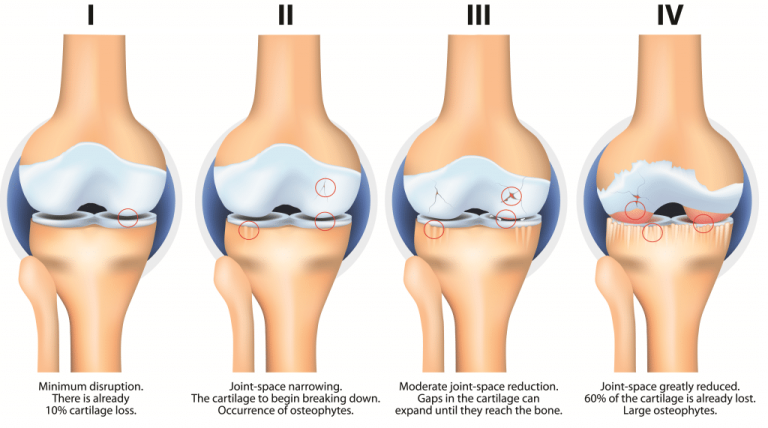
Stages of Knee Osteoarthritis
Stage 1 – Early / Onset OA: Mild cartilage wear with intermittent pain, often after activity.
Stage 2 – Mild OA: Cartilage begins breaking down; osteophytes (bone spurs) may develop and pain becomes more frequent.
Stage 3 – Moderate OA: More persistent pain and stiffness; joint fluid may lose its ability to lubricate and cushion the joint.
Stage 4 – Severe OA: Significant cartilage loss and “bone-on-bone” changes can occur with marked pain and functional limitation.
N-STRIDE is most commonly used for mild to moderate OA (Stages 1–3). In selected patients with more advanced OA who are not suitable for surgery (or wish to delay surgery), it may still be considered after careful assessment.
What is N-STRIDE PRP?
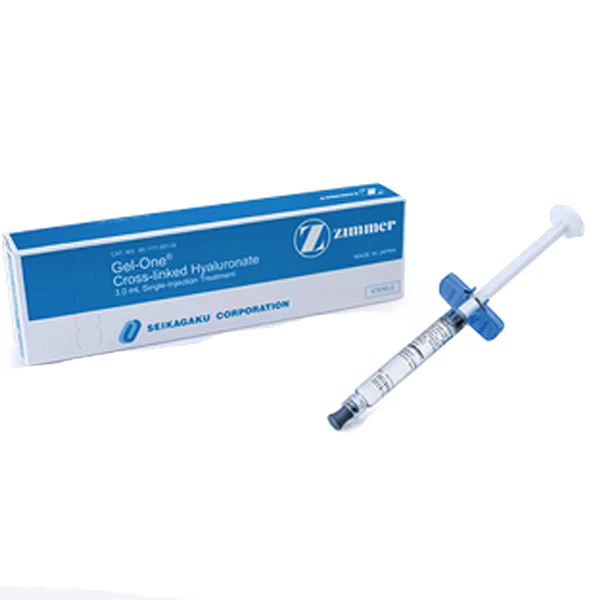
N-STRIDE is an advanced form of PRP known as Autologous Protein Solution (APS). “Autologous” means it comes from your own body. A sample of your blood is processed in clinic to concentrate specific beneficial proteins into a small injectable volume.
Unlike standard PRP injections that primarily focus on platelet concentration, N-STRIDE APS is designed to concentrate anti-inflammatory proteins that target the biological drivers of osteoarthritis pain.
Importantly, N-STRIDE is designed as a single-injection treatment pathway.
Image suggestion: Insert your N-STRIDE kit / preparation image here (from your supplied materials).
How Does N-STRIDE Work?
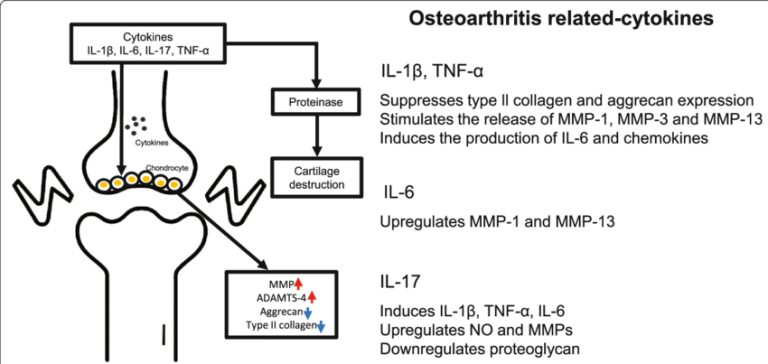
In knee osteoarthritis, inflammatory cytokines (“bad proteins”) such as IL-1 and TNF-α contribute to cartilage breakdown and ongoing pain. In many patients, these harmful inflammatory signals outnumber the protective anti-inflammatory signals.
N-STRIDE introduces high concentrations of naturally occurring anti-inflammatory proteins (including IL-1 receptor antagonist and soluble TNF receptors) that are designed to block IL-1 and TNF-α activity within the joint. At the same time, beneficial growth factors are introduced to support cartilage health.
This aims to reduce pain, improve function, and support a healthier joint environment.
Comparison: N-STRIDE vs Other PRP Injections
Not all PRP treatments are the same. PRP varies widely depending on the preparation method, especially the balance between platelet concentration and white blood cells (leukocytes). This can affect inflammation, comfort after injection, and clinical response.
Key takeaway: N-STRIDE is not simply “strong PRP”. It is designed to target inflammatory drivers of osteoarthritis, which is why it is commonly used as a single-injection protocol.
One Treatment Only
A major advantage of N-STRIDE is that it is designed as a single injection treatment. In clinical studies, selected patients have experienced sustained improvement for up to 24–36 months following one treatment.
This contrasts with many traditional PRP protocols that are delivered as a series of injections.

The N-STRIDE Procedure at Pain Spa
The procedure involves a blood draw (typically around 50–60 ml), which is processed on-site using the N-STRIDE system to produce a concentrated autologous protein solution. The final volume (around 2–3 ml) is injected into the knee joint under ultrasound guidance to ensure accuracy and safety.
The full process is usually completed within a single clinic visit.
What to Expect After N-STRIDE Treatment
It is common to experience mild swelling, stiffness, or soreness in the knee and at the blood draw site. These effects are usually temporary.
During the first 4–5 days after treatment, discomfort can temporarily increase. Paracetamol may be used if required. Anti-inflammatory medication is generally avoided unless specifically advised.
We usually recommend reducing activity for the first few days and avoiding strenuous exercise for 10–14 days.
Many patients notice improvement from around 2–4 weeks, with continued progress over 6–12 weeks.
Rehabilitation and Lifestyle Optimisation
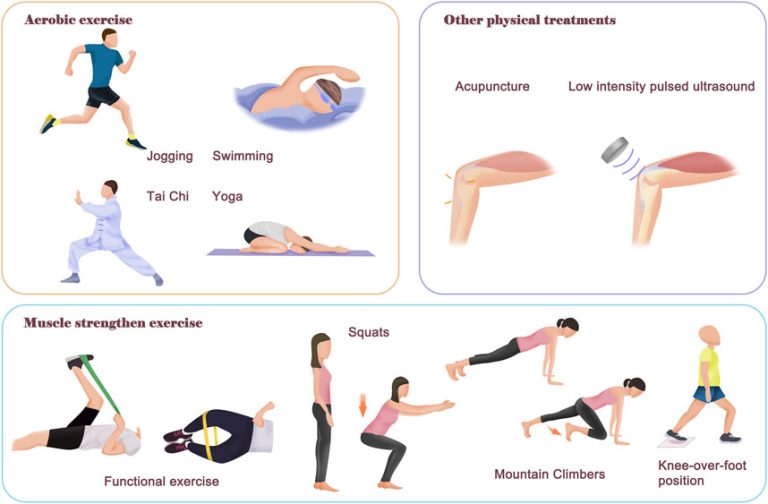
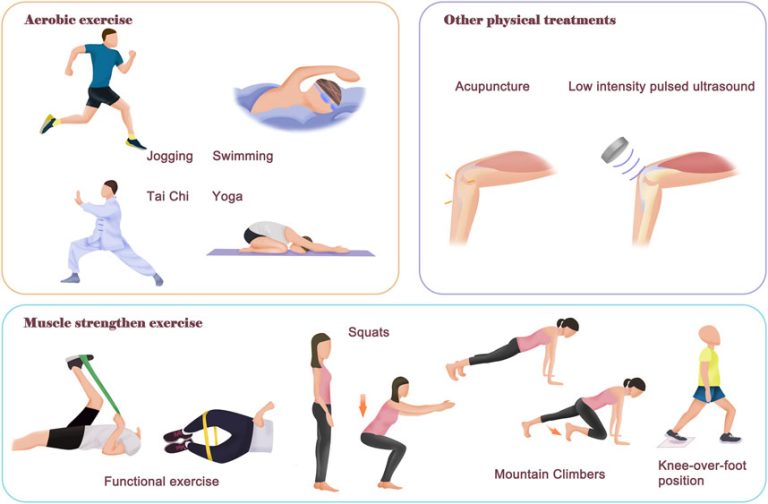
N-STRIDE works best when combined with a structured rehabilitation plan. Low-impact exercise, strengthening of the quadriceps and hip muscles, flexibility work, and a gradual return to activity can all improve outcomes.
Weight management, appropriate footwear, knee bracing where indicated, and physiotherapy input can further reduce joint load and help improve long-term comfort and function.
Expertise at Pain Spa
Dr Krishna has extensive experience in the non-surgical management of osteoarthritic knee pain (including advanced ultrasound-guided injection techniques). At Pain Spa Bristol, treatment plans are individualised, evidence-based, and focused on maximising pain relief and function while delaying or avoiding surgery wherever possible.
If N-STRIDE PRP is not suitable, other modern non-surgical treatment options may be considered, including targeted injection therapies, radiofrequency-based pain procedures, and newer injectable options such as Arthrosamid.
Is N-STRIDE Right for You?
N-STRIDE may be suitable for patients with ongoing knee pain despite physiotherapy, medications, or previous injections who wish to explore advanced non-surgical options.
A full clinical assessment and imaging review are essential to confirm suitability and optimise outcomes.
Book a Consultation
If you would like to find out whether N-STRIDE PRP treatment is appropriate for your knee pain, please contact Pain Spa at clinic@painspa.co.uk or via our website www.painspa.co.uk.