
Genicular Nerve Blocks and Cooled Radiofrequency of the Knee (Coolief)

Genicular Nerve Blocks and Cooled Radiofrequency for Knee Pain Caused by Osteoarthritis
Knee osteoarthritis is one of the most common causes of chronic pain and loss of mobility. Pain may occur during walking, standing, climbing stairs, or even at rest, and can significantly affect independence and quality of life.
While treatments such as physiotherapy, painkillers, steroid injections, or viscosupplementation may help some patients, their benefits are often short-lived. For patients seeking longer-lasting pain relief without surgery, genicular nerve blocks and cooled radiofrequency (RF) treatment offer an advanced, evidence-based option.
Understanding knee osteoarthritis and pain
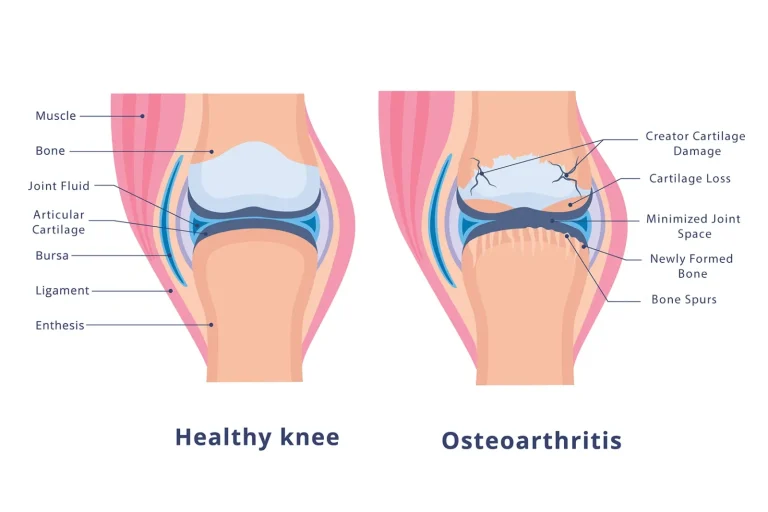
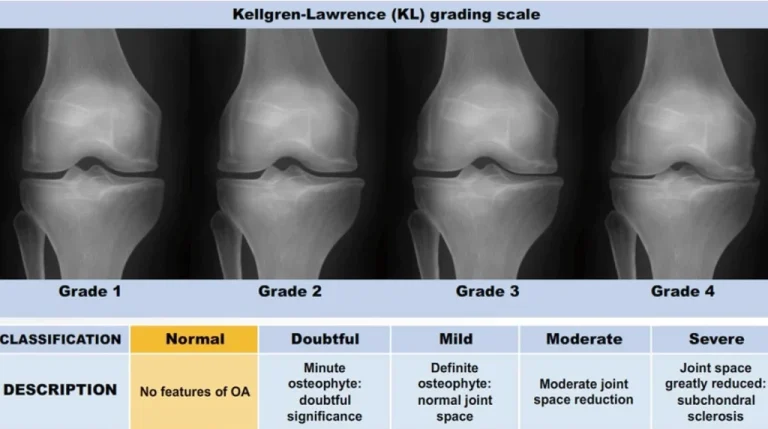
Knee osteoarthritis is a structural condition characterised by progressive loss of cartilage, changes in the underlying bone, and inflammation of the joint lining. Unlike some soft tissue conditions, damaged cartilage cannot reliably regenerate.
The only treatment that directly replaces damaged cartilage is surgical joint replacement. However, many patients are not ready for surgery, do not wish to proceed, or may continue to experience pain even after knee replacement.
In these situations, pain can be managed by targeting how pain signals from the knee are transmitted to the nervous system. This approach focuses on neuromodulation of pain pathways rather than attempting to reverse structural damage.
Genicular nerve treatments work by interrupting or reducing pain signals carried by sensory nerves from the knee joint to the brain. By carefully “stunning” or treating these nerves, pain can be significantly reduced without affecting knee stability or movement.
This approach does not cure arthritis, but it offers an effective way to manage pain, improve mobility, and maintain quality of life when cartilage restoration is not possible.
What are the genicular nerves?
The genicular nerves are small sensory nerves that transmit pain signals from the knee joint. They branch from larger nerves in the thigh and lower leg and run close to the bone near the femur and tibia.
The nerves most commonly targeted are the superior medial, superior lateral, and inferior medial genicular nerves. These nerves do not control muscle strength or knee movement.
This makes them ideal targets for pain treatment, as interrupting their function can reduce pain without compromising joint stability.
Diagnostic genicular nerve blocks
Before proceeding to radiofrequency treatment, patients typically undergo diagnostic genicular nerve blocks. These involve injecting a small amount of local anaesthetic around the genicular nerves under imaging guidance.
The purpose is to temporarily interrupt pain signals from the knee. A clear reduction in pain for the expected duration of the local anaesthetic indicates that the genicular nerves are contributing significantly to the patient’s symptoms.
This step allows careful patient selection and helps predict who is most likely to benefit from longer-lasting radiofrequency treatment.
What is cooled radiofrequency treatment?
Cooled radiofrequency (cooled RF) is a minimally invasive treatment designed to provide longer-lasting pain relief by reducing the ability of genicular nerves to transmit pain signals.
Specialised radiofrequency needles are placed alongside the target nerves using imaging guidance. Controlled radiofrequency energy is delivered to the nerve tissue, altering pain transmission while preserving surrounding structures.


Cooled RF versus traditional radiofrequency
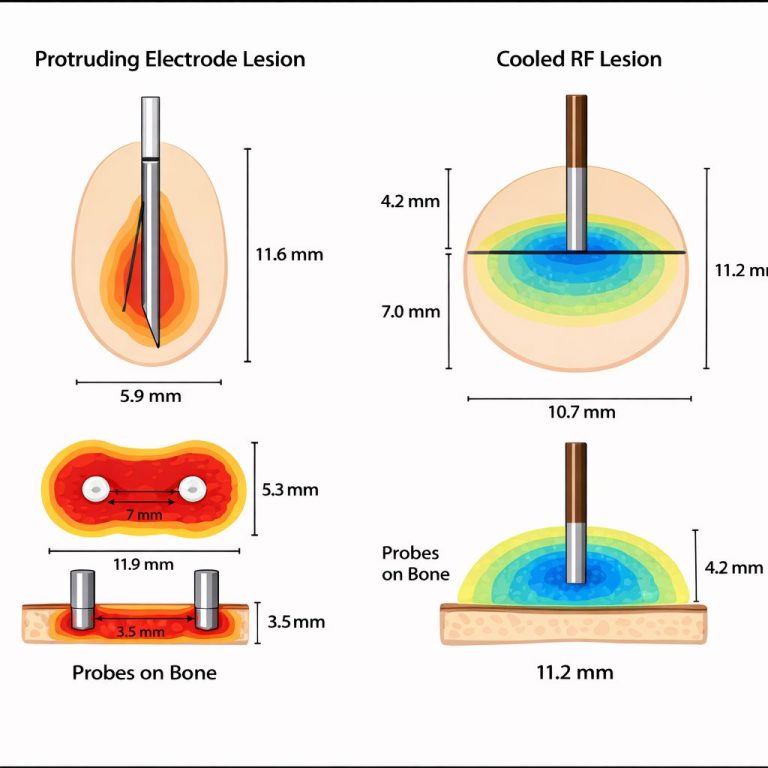
Traditional radiofrequency typically heats tissue to approximately 80°C at the probe tip, creating a relatively small, focal lesion. Cooled radiofrequency uses internally cooled electrodes, allowing treatment at a lower target temperature of around 60°C.
Cooling the probe tip reduces tissue charring and electrical impedance, allowing radiofrequency energy to spread more evenly into surrounding tissue. This creates a larger, more spherical treatment zone.
This larger lesion improves the likelihood of treating genicular nerves effectively, which is particularly important given natural anatomical variation between individuals.
Who is suitable for genicular nerve blocks and cooled RF?
Genicular nerve blocks and cooled radiofrequency may be suitable for:
- Patients with moderate to severe knee osteoarthritis
- Those wishing to delay or avoid knee replacement surgery
- Patients who are not suitable surgical candidates
- Patients with persistent knee pain after knee replacement where no mechanical cause is identified
How long does the benefit last?
Pain relief following cooled radiofrequency typically lasts between 6 and 12 months, and in some patients even longer. This is considerably longer than the benefit usually seen with steroid injections, which often lasts only weeks to a few months.
Compared with viscosupplementation, cooled RF provides more consistent pain relief when pain is driven by sensory nerve transmission. The procedure can be repeated safely if pain returns.
Comparing advanced non-surgical treatments for knee osteoarthritis
Several advanced non-surgical treatments are available for knee osteoarthritis. The table below compares cooled radiofrequency with Arthrosamid® and PRP to help patients understand how they differ.
Expert care at Pain Spa
At Pain Spa, genicular nerve blocks and cooled radiofrequency procedures are performed by Dr Krishna, who has extensive experience in interventional pain medicine.
Dr Krishna was the first clinician in the UK to perform cooled radiofrequency treatment and routinely uses ultrasound guidance to visualise soft tissues, blood vessels, and nerves, improving precision and safety compared with techniques relying on X-ray alone.
Summary
Genicular nerve blocks and cooled radiofrequency offer an effective, minimally invasive option for managing knee osteoarthritis pain when cartilage restoration is not possible.
With careful patient selection, diagnostic blocks, and expert ultrasound-guided technique, these treatments can significantly reduce pain, improve mobility, and enhance quality of life without surgery.
If you would like to explore any of the above treatments, please contact Pain Spa at clinic@painspa.co.uk or via our website www.painspa.co.uk.
This information is provided for education only and does not replace individual medical advice. Treatment suitability should be determined following specialist assessment.