• Area affected

Found 70 Results
Page 3 of 4

Piriformis Syndrome

Piriformis syndrome is an elusive clinical entity. It is likely that this condition is overlooked and overdiagnosed with equal propensity. It is characterized by buttock pain with a variable component of sciatic nerve irritation and probably represents the most common cause of extraspinal sciatica. Systematic clinical assessment will generally lead to the correct diagnosis.

Chronic Abdominal Wall Pain

Chronic abdominal wall pain occurs in about 10–30% of patients presenting with chronic abdominal pain. Entrapment of abdominal cutaneous nerves at the lateral border of the rectus abdominis muscle has been attributed as a cause of abdominal pain. Chronic abdominal wall pain is frequently misdiagnosed asarising from a visceral source, often resulting in inappropriate diagnostic testing and unsatisfactory treatment.

SacroIliac Joint Pain

The relationship between the sacroiliac joint (SIJ) and low back pain has been a subject of much debate with some researchers regarding SIJ pain as a major contributor to the low back pain problem, with others regarding it as unimportant or irrelevant. The sacroiliac joint has been shown to be a source of pain in 10% to 27% of suspected cases with chronic low back pain utilizing controlled comparative local anesthetic blocks.

Knee Pain

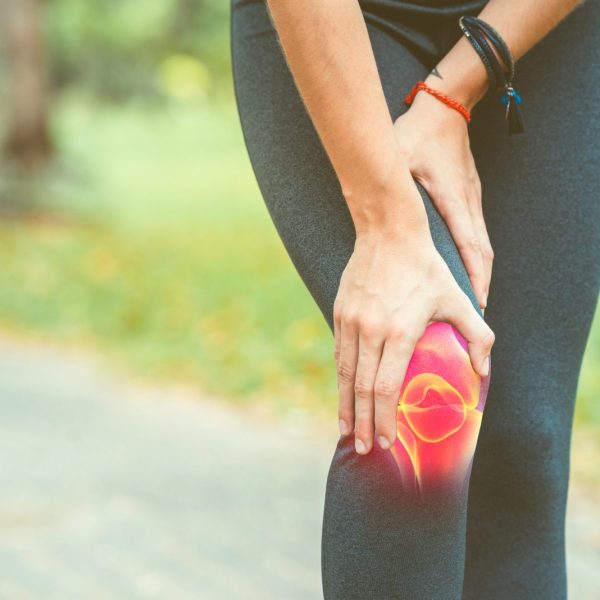
Osteoarthritis is the most prevalent form of arthritis, with an associated risk of mobility disability (defined as needing help with walking or climbing stairs) for those with affected knees being greater than that due to any other medical condition in people aged ≥ 65. Osteoarthritis of the knee causes pain, limits activity, and impairs quality of life. The societal burden (both in terms of personal suffering and use of health resources) is expected to increase with the increasing prevalence of obesity and the ageing of the community.

Phantom Limb Pain

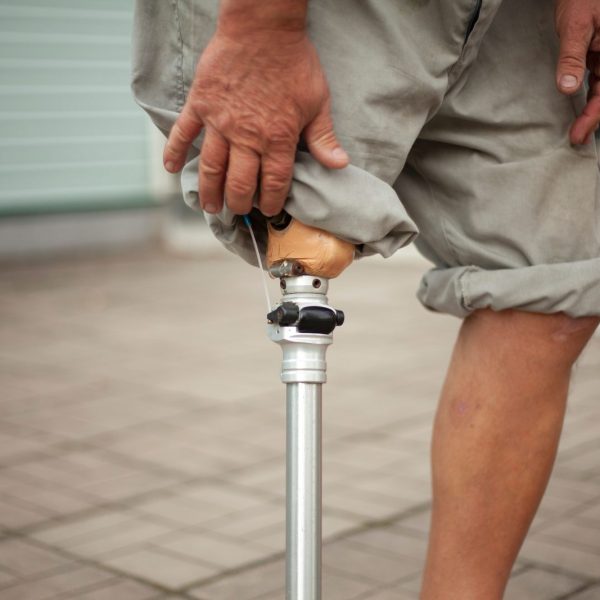
Phantom-limb pain is a common sequela of amputation, occurring in up to 80% of people who undergo the procedure. It must be differentiated from non-painful phantom phenomena, residual-limb pain, and non-painful residual-limb phenomena. Central changes seem to be a major determinant of phantom-limb pain; however, peripheral and psychological factors may contribute to it.

Chronic Migraine

Chronic migraine is defined as headache on more than 15 days per month in patients with migraine. Chronic migraine is difficult to treat and requires a multidisciplinary approach. Only two pharmacological treatments have been shown to be effective in placebo-controlled randomized trials: topiramate and local injection of botulinum toxin.

Headaches

Headache accounts for 4.4% of consultations in primary care (6.4% females and 2.5% males). Unless a correct diagnosis is made, it is not possible to provide the most effective treatment.

Fibromyalgia

Fibromyalgia is a complex condition that is characterized by chronic widespread pain and multiple other symptoms, including fatigue, sleep disturbances, cognitive dysfunction, stiffness, and depressive episodes.

Osteoarthritis

Osteoarthritis (OA) is the most common condition to affect synovial joints and causes significant dysfunction and disability. Because osteoarthritis increases significantly with age, it was long considered to be a degenerative disease that was an inevitable consequence of ageing and trauma. However, it is viewed now as a metabolically dynamic process characterized by an imbalance of joint breakdown in association with a maladaptive and insufficient repair process.

Abdominal Cutaneous Nerve Entrapment Syndrome (ACNES)

Abdominal cutaneous nerve entrapment syndrome (ACNES) is not an uncommon condition. When a patient is seen for abdominal pain without other clinically significant symptoms, ACNES should be high on the list of likely diagnoses.

Lumbosacral Plexopathy

Lumbosacral plexopathy is an injury to or involvement of one or more nerves that combine to form or branch from the lumbosacral plexus. This involvement is distal to the root level.

Meralgia Paresthetica

Meralgia paresthetica is a painful mononeuropathy of the lateral femoral cutaneous nerve (LFCN), presenting as unpleasant paresthesia, pain, and numbness in the anterolateral thigh.

Opioid Dependence

There has been a constant struggle to define the role of opioids in medical therapy, due to their potential for misuse, overuse, and addiction since pain is a completely subjective sensation, not amenable to objective measurement, and is intimately tied to emotion and the patient’s psychological well-being. Thus the medical decision to administer an opioid analgesic is an attempt to balance the potential for pain relief, and the reliability of the patient’s reporting, against the potential for harm. The decision-making process is less complicated when dealing with acute traumatic injury or surgical trauma. However, with many chronic pain conditions, the etiology or severity of the patient’s pain is less obvious. In the majority of situations, a physician does not initiate opioid therapy with the intention of continuing it for months or years, but many patients will continue to seek opioids for relief of pain which becomes chronic.


De Quervain’s Tenosynovitis

De Quervain's tenosynovitis is the most common entrapment tendonitis of hand and wrist after trigger finger. It is most commonly seen in women between 30 and 50 years of age. It refers to entrapment tendonitis/tenosynovitis of the abductor pollicis longus and extensor pollicis brevis tendons at the styloid process of the radius. It is most often a cumulative movement disorder due to chronic overuse of the wrist and hand. Bilateral or unilateral tenosynovitis may also accompany pregnancy, direct trauma, and systemic diseases such as rheumatoid arthritis and calcium apatite deposition disease.

Pudendal Neuralgia

Pudendal neuralgia (PN) is defined as the existence of pain in the distribution of the pudendal nerve. Pudendal neuropathy can occur in both genders. Entrapment of the pudendal nerve can give rise to perineal pain involving the penis, scrotum, labia, perineum, or anorectal region. Three sites of entrapment of the nerve have been described. These can occur along its path between the sacrotuberous and the sacrospinous ligaments (interligamentous plane), through Alcock canal, or as the nerve passes through a tight osteofibrotic canal at the entrance to the base of the penis.

Chronic Facial Pain

Chronic orofacial pain (COFP) is an umbrella term used to describe painful regional syndromes with a chronic, unremitting pattern. It is an ill understood group of conditions, which may involve the whole of the mouth and face. Prevalence of orofacial pain is around 17–26%, of which 7–11% is chronic.

Trigeminal Neuralgia

Trigeminal neuralgia is a rare, episodic facial pain that is unilateral, electric shock-like, and provoked by light touch. At first, it is often mistaken as a tooth problem owing to its presentation in the two lower branches of the trigeminal nerve. Patients may undergo unnecessary and sometimes irreversible dental treatment before the condition is recognised.

Tennis Elbow

Lateral epicondylitis, or 'tennis elbow', is a common condition that usually affects patients between 35 and 55 years of age. It is generally self-limiting, but in some patients it may continue to cause persistent symptoms, which can be refractory to treatment.