• Area affected

Found 70 Results
Page 4 of 4

Plantar Fasciitis

Plantar fasciitis, reportedly the most common cause of pain in the inferior heel, is estimated to account for 11 to 15 percent of all foot symptoms requiring professional care among adults. Plantar fasciitis has been reported to account for about 10 percent of injuries that occur in connection with running and is common among military personnel. The incidence reportedly peaks in people between the ages of 40 and 60 years in the general population and in younger people among runners. The condition is bilateral in up to a third of cases.

Thoracic Outlet Syndrome

Thoracic outlet syndrome (TOS) is a poorly characterized disease entity with a wide differential diagnosis. First coined in 1956 by Peet et al, TOS can be categorized as vascular (arterial or venous) or neurogenic (NTOS). Although vascular-related TOS pathology is intuitively easier to understand and document because of more definitive imaging findings and symptoms, there remains significant controversy as to even the existence of NTOS.

Ischial Bursitis

Bursitis is an inflammation or degeneration of the sac-like structures that protect the soft tissues from underlying bony prominences. Bursitis may result from a local insult or be a manifestation of a systemic disease. Examples of the latter include rheumatoid arthritis, tophaceous gout, and sepsis. Adjacent tenosynovitis and calcium apatite deposition disease commonly coexist.

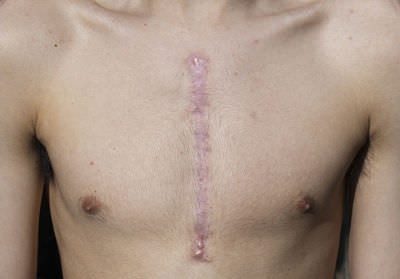
Post Surgical Pain

The incidence of chronic post-surgical pain (CPSP) is at an increase, with increase in the number of surgeries being performed. The first publication that identified surgery as a risk factor for chronic pain appeared in 1998. This finding led to a dramatic increase in interest on this subject.

Neuropathic Pain

Neuropathic pain is a multidimensional entity that continues to present a challenge to medical professionals with regards to its diagnosis and management. In recent years there has been an emphasis on the use of pain descriptors to aid diagnosis, but the lack of pathognomonic terms and overlap of descriptors between neuropathic and nociceptive pain conditions means that neuropathic pain continues to be poorly recognised and under-treated.

Myofascial Pain

Myofascial pain is one of the most overlooked and ignored sources of acute and chronic pain, and at the same time, constitutes one of the most common causes of musculoskeletal pain. Myofascial pain is characterized by the presence of myofascial trigger points (TrPs).

Coccyx Pain

Pain in the region of the coccyx is referred to as coccygodynia. Despite being recognised for many centuries, coccydynia remains an unsolved mystery because of the perceived uncertainty in identifying the origin of the pain.

Failed Back Surgery

Failed back surgery syndrome (FBSS) is a term embracing a constellation of conditions that describes persistent or recurring low back pain, with or without sciatica following one or more spine surgeries. In other words failed back surgery syndrome results when the outcome of lumbar spinal surgery does not meet the pre-surgical expectations of the patient and surgeon.

Herniated Discs (Disc Prolapse)

Disc herniation is a broad term referring to a tear in the outer ring (annulus, thus allowing the soft gelatinous matter to leak out through the tear.

Spinal Stenosis

Lumbar spinal stenosis is a condition that involves narrowing of the spinal canal, nerve root canals, or tunnels of the intervertebral foramina. This narrowing can cause pressure on, or compression of, the neural elements. Patients may be symptomatic despite minimal compression and conversely those with high degrees of compression may be asymptomatic.

Spondylosis

Cervical spondylosis is a common degenerative condition of the cervical spine. It is most likely caused by age-related changes and mechanical factors are prominent.

Whiplash Injury

Whiplash-associated disorder (WAD) presents a significant public health problem and socioeconomic burden. Although it is widely held that the majority of whiplash patients recover naturally within a few months after their injury, recent research suggests that recovery is more prolonged and incomplete than previously believed, with an estimated 50% of patients still complaining of neck pain one year after injury.

Neck Pain

Chronic neck pain is a common condition and is perhaps second only to chronic low back pain as the most common musculoskeletal disorder associated with injury and disability claims. About two thirds of the population have neck pain at some time in their lives, and prevalence is highest in middle age. Most causes of neck pain are not serious though rarely it may be secondary to more serious condition.

Sciatica

The term sciatica describes leg pain with or without back pain. It may be accompanied by other symptoms including tingling, burning and weakness in the leg. It is generally one sided and typically involves the buttock and the back of the leg up to the ankle or the foot. Most patients with sciatica improve within 6 to 12 weeks and do not need any specific treatment except painkillers. In some patients sciatica may persist and become more intrusive with daily activities.

Back Pain

Low back pain is pain, muscle tension, or stiffness in the lower back with or without leg pain (sciatica). It is defined as chronic when it persists for 12 weeks or more. Non-specific low back pain is pain not attributed to a recognisable pathology (such as infection, tumour, osteoporosis, fracture or inflammation).